Marine Insight 360
Maritime Knowledge Publisher
Marine Insight 360 is a maritime knowledge and careers platform covering ship operations, marine engineering, seafarer careers, safety, regulation, ports and practical onboard guidance. Its editorial work is built around useful explanations for seafarers, cadets, shipping companies and maritime readers.
The publication organises maritime content into practical topic hubs, including marine machinery, merchant navy careers, shipboard operations, maritime glossary terms, ports, suppliers and company directories. Each guide is edited to support clear search intent, internal linking and accessible explanations for readers who need reliable maritime context.
Articles by Marine Insight 360(692)
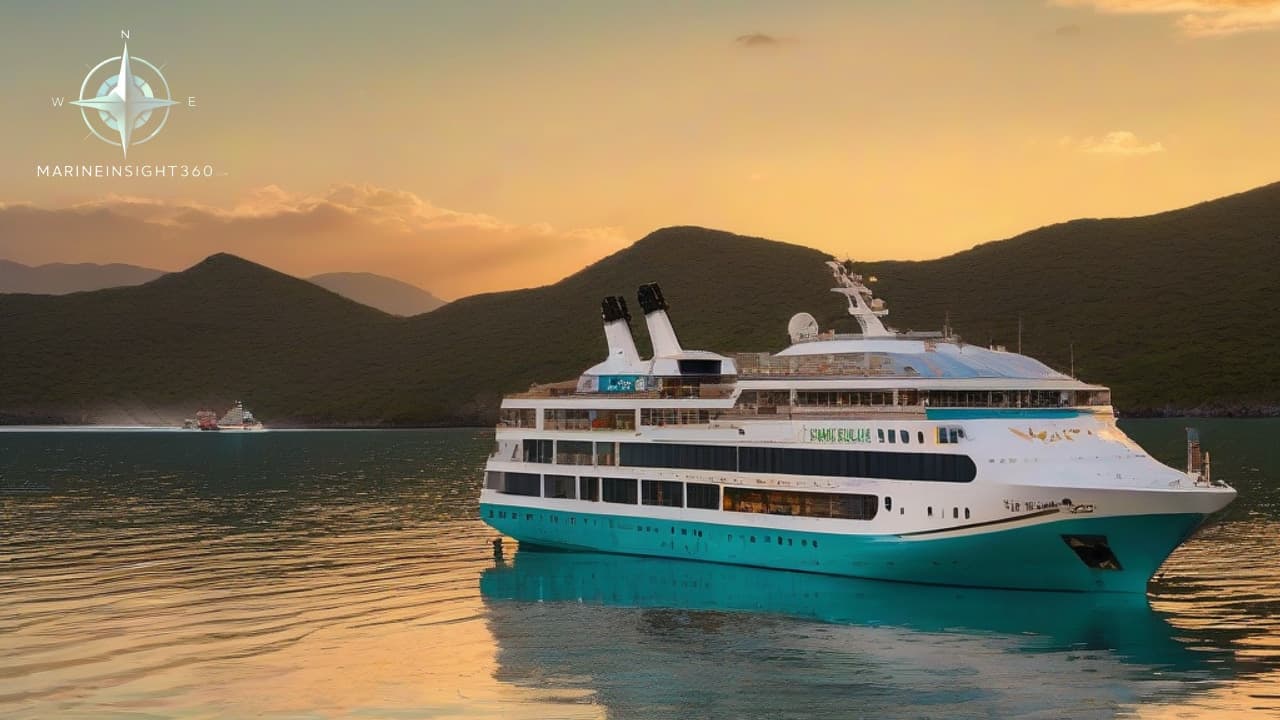
8 Ways Cruise Ships Contribute to Ocean Pollution
Every path presents problems. While shipping has no clear path at sea, pollution persists, posing a serious threat to our marine environment.
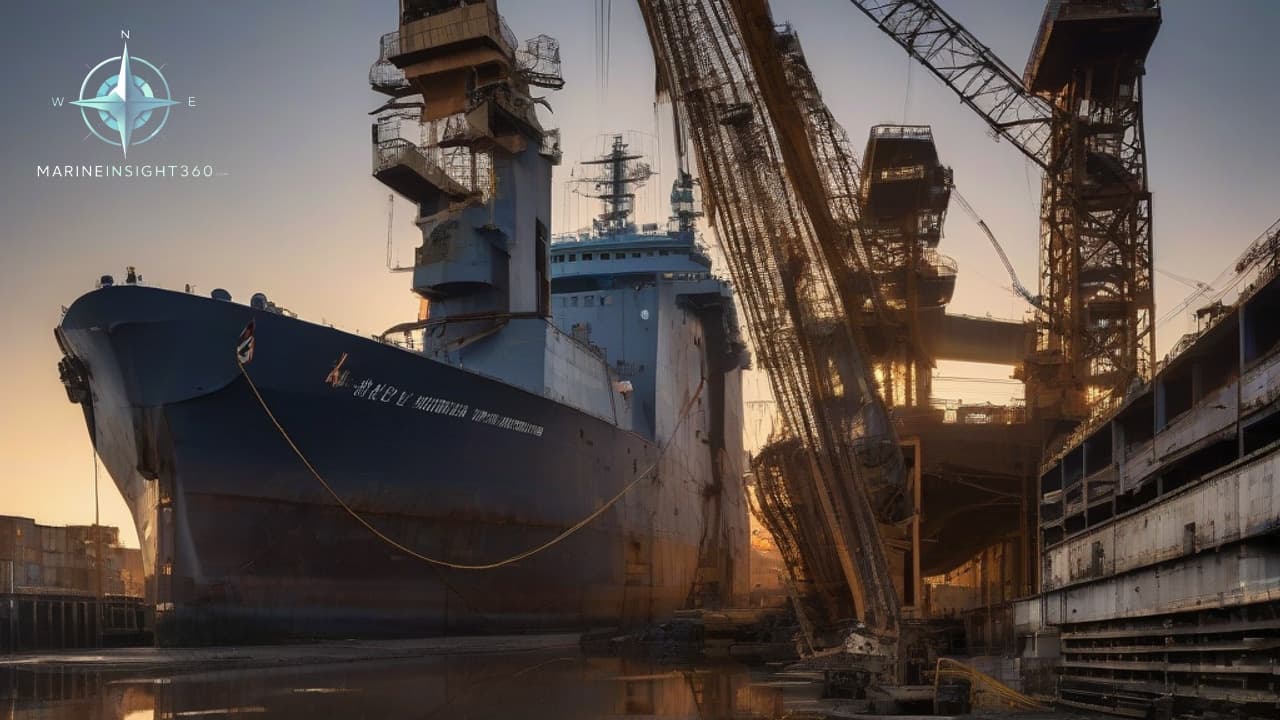
Top Dry Docks in the World
Dry docks are essential facilities for shipbuilding and repair. Naval vessels are transported to shipyards, where their underwater components (such as the…
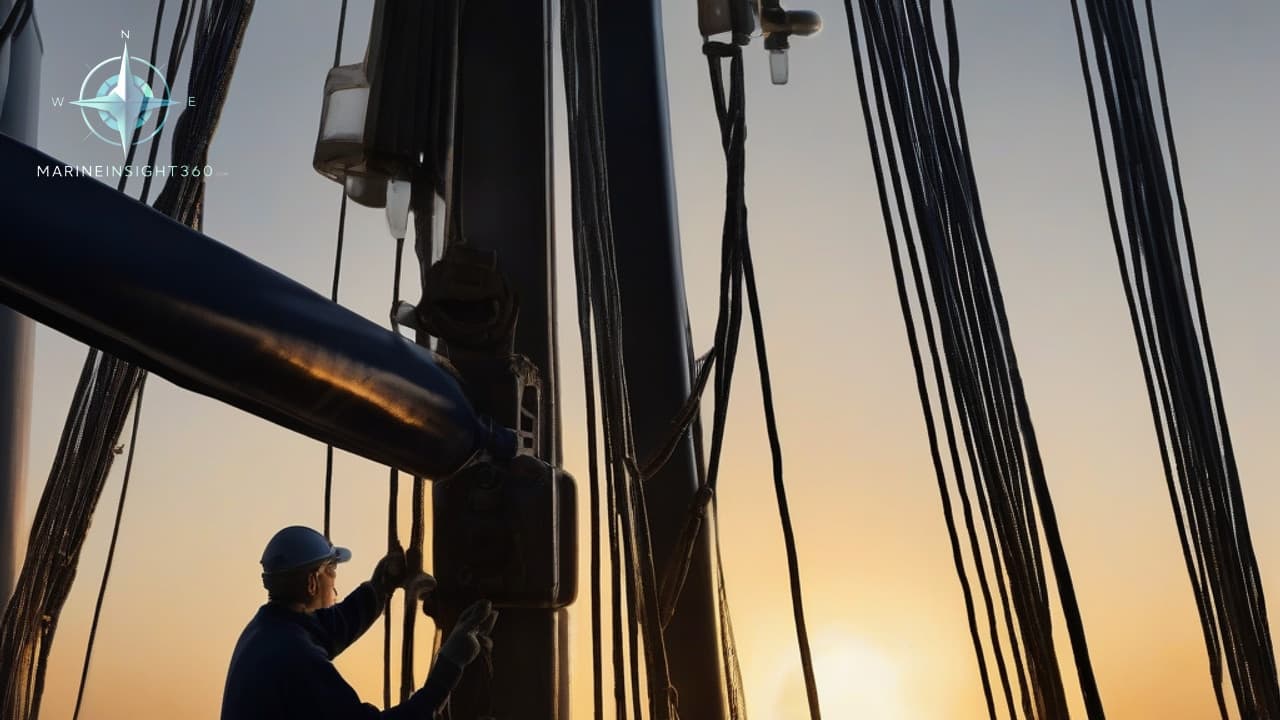
How Are Navigation Lights Maintained On A Ship?
Despite recent advances in marine navigation technology, such as the Global Positioning System (GPS), Electronic Display and Information System (ECDIS),…
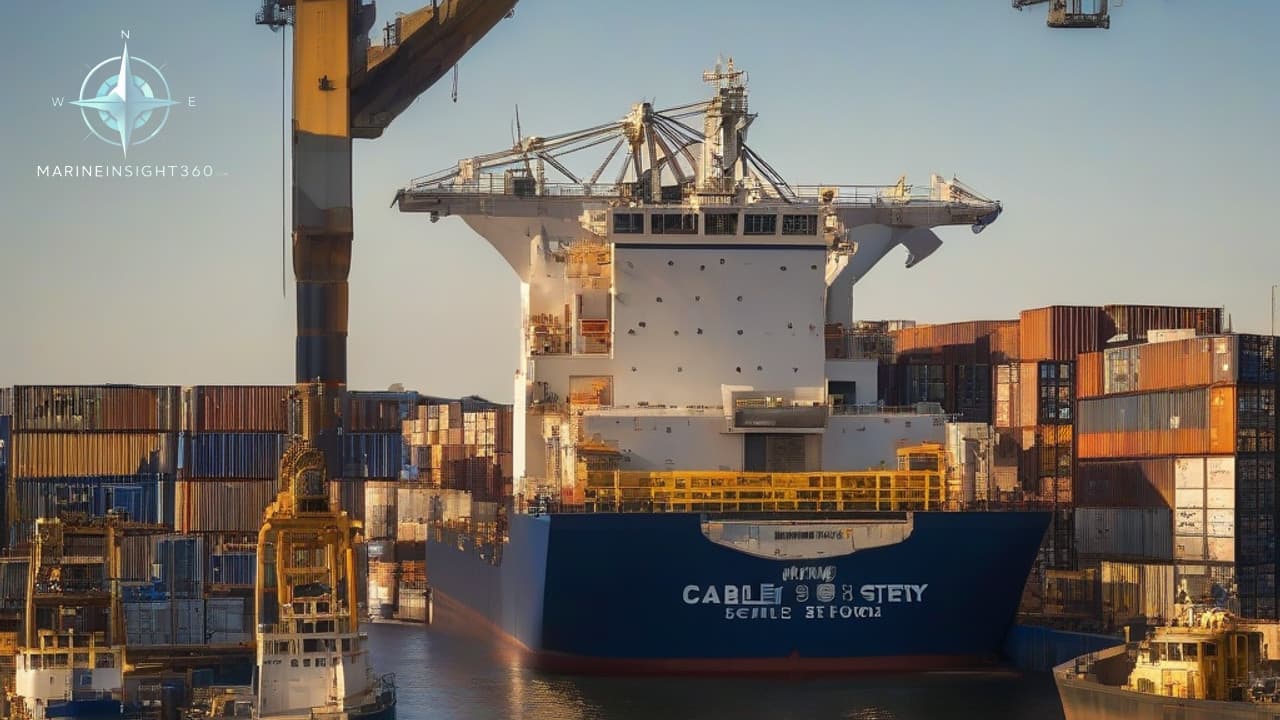
What is Alternative Marine Power (AMP) or Cold Ironing?
Alternative Marine Power (AMP) is a pollution control measure that helps reduce air pollution generated by diesel generators by using shore power as an…
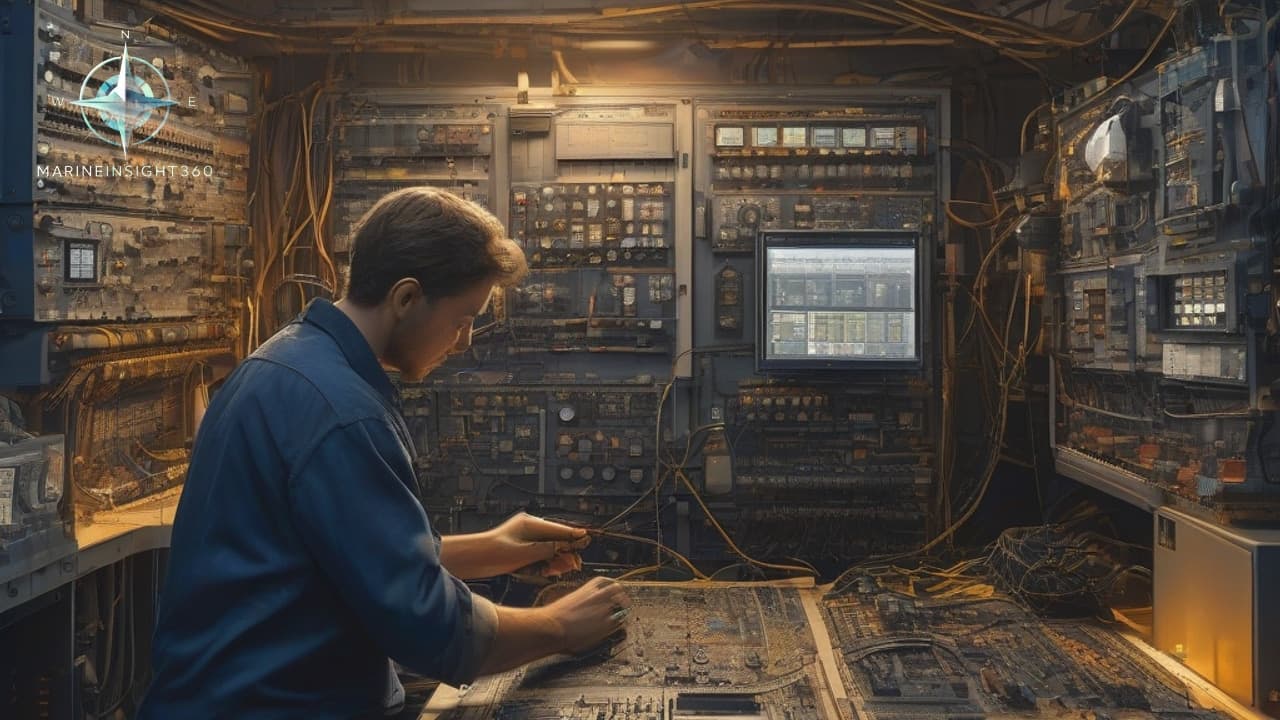
How Are Electronic Circuits Installed On Ships?
With the rise of modern technology and the advancement of automated ship machinery and operations, electronic circuits, such as printed circuit boards (…
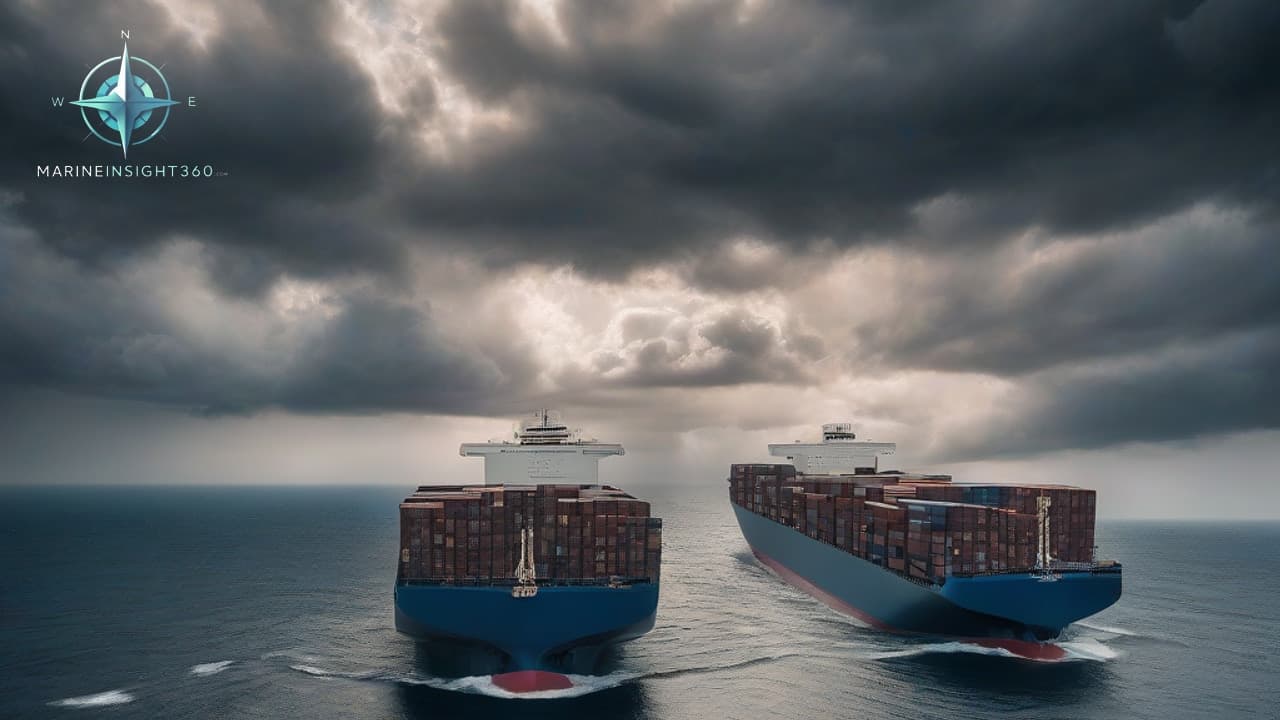
General Procedures for Preparing a Ship for a Port Arrival
Entering and leaving a port are two crucial parts of a ship's voyage. Due to their complexity, both procedures are crucial. Thorough preparations must be…
What are Anabatic and Katabatic Wind?
In addition to atmospheric conditions, a region's geography and topography also significantly influence local weather conditions.
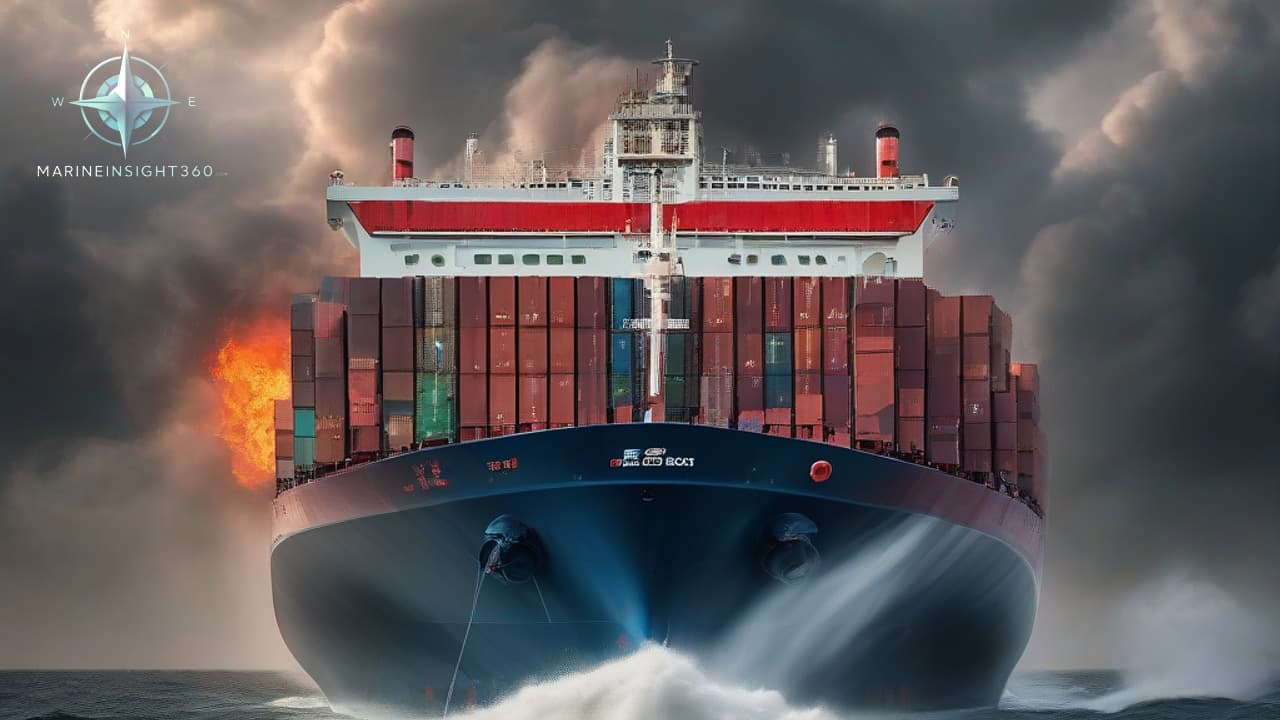
Understanding the Fire Safety Systems (FSS) Code on Ships
Fires on ships pose a serious risk, potentially causing catastrophic damage, endangering lives, and threatening the safety of the ship. To mitigate these…
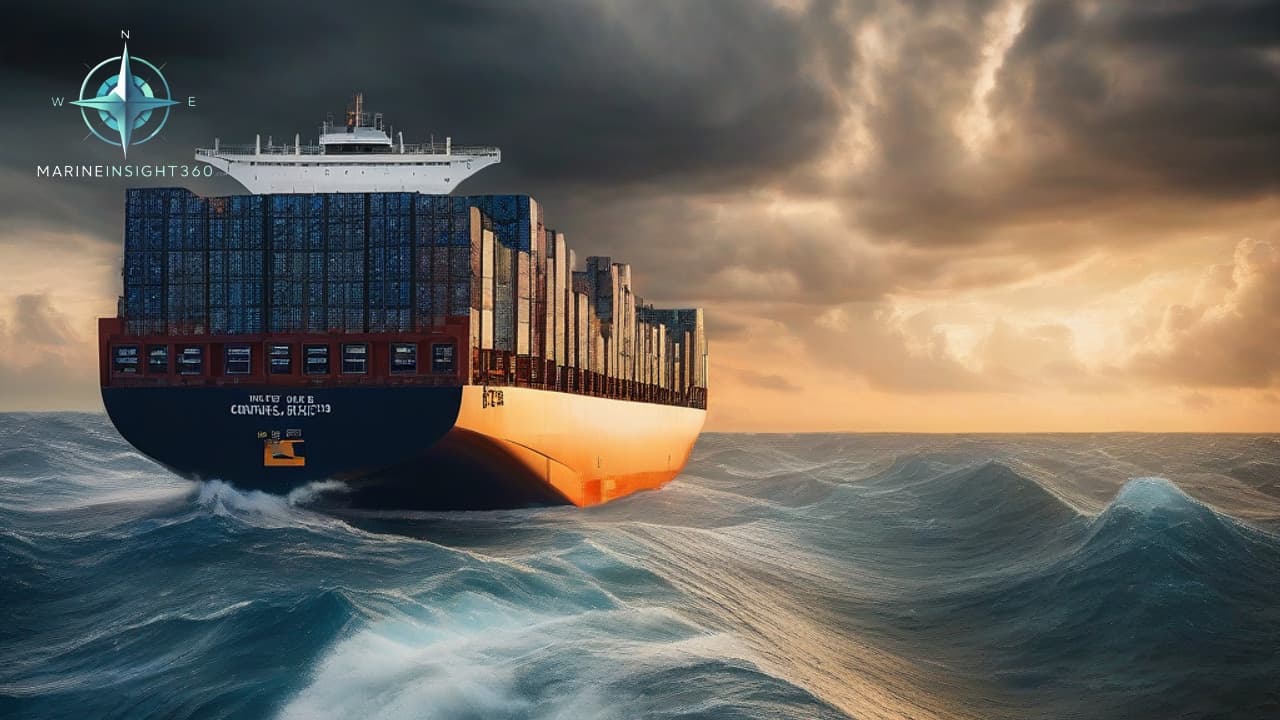
Maritime Incidents That Changed International Laws Forever
The world's oceans have witnessed countless maritime accidents, some more catastrophic than others, claiming hundreds of thousands of lives. Most…
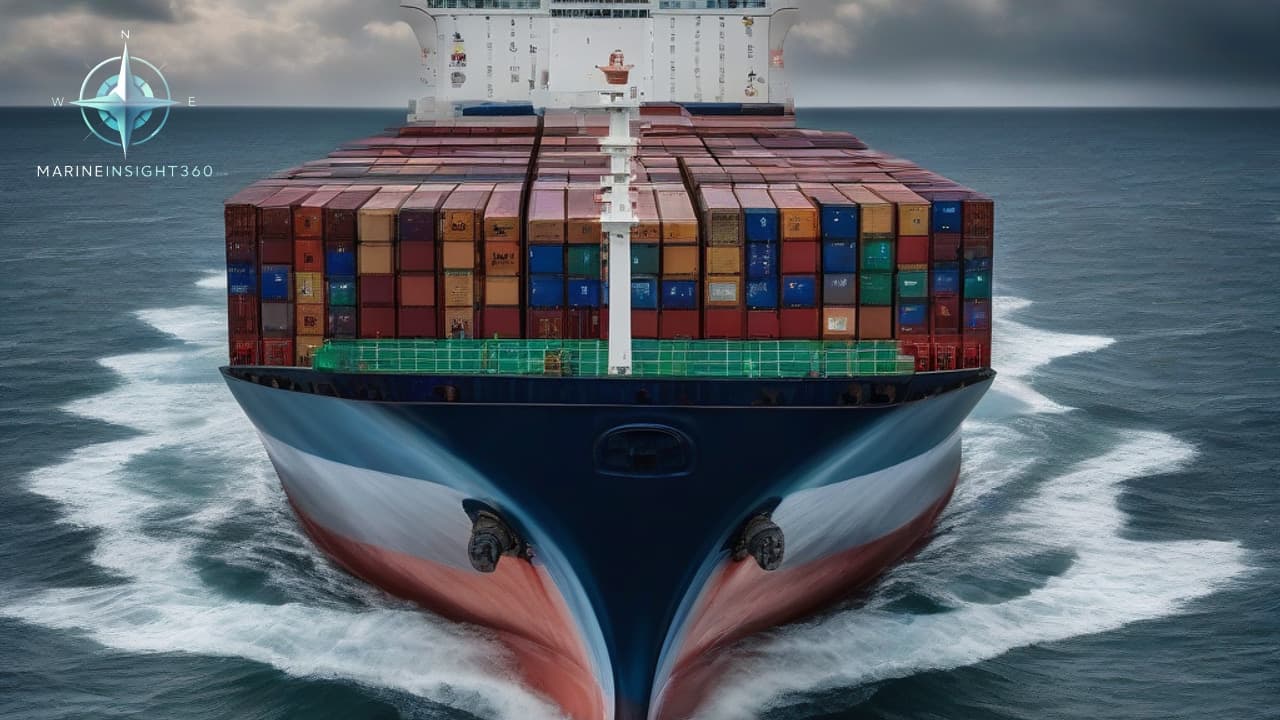
What Is The Lower Deck Of A Ship?
As we all know, decks are the horizontal boundaries of a ship. They mainly define the height of the hull and mark the upper and lower boundaries of any…
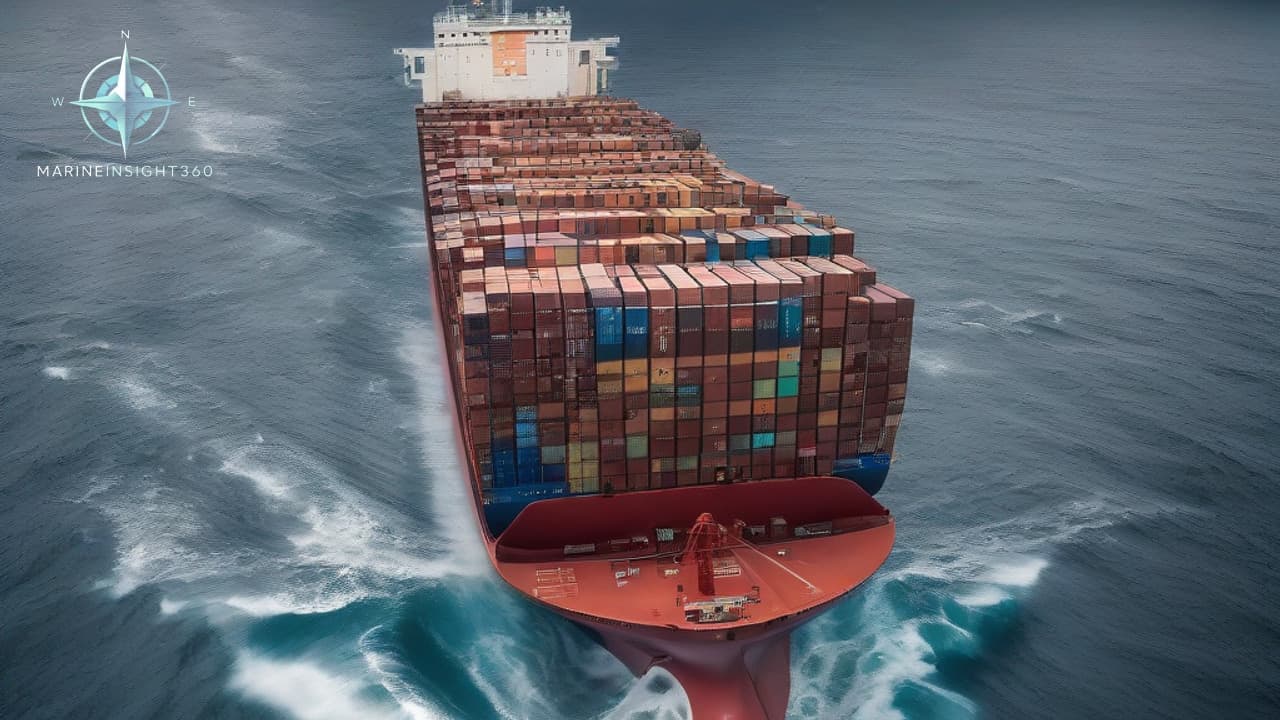
How To Detect Ground Faults On Board Ship?
Ground faults are extremely dangerous on board. Some ships operating on 440 volts do not even have individual fault circuit breakers. However, when the…
Automatic Mutual Assistance Vessel Rescue (AMVER)
The Automatic Mutual Assistance Vessel Rescue ( AMVER ) system is a unique technology developed by the United States Coast Guard in 1958.