What Is the Global Maritime Distress Safety System (GMDSS)?
The Global Maritime Distress Safety System (GMDSS) is an internationally recognized communication system designed to enhance safety at sea. It ensures…
What is the Global Maritime Distress Safety System (GMDSS)?
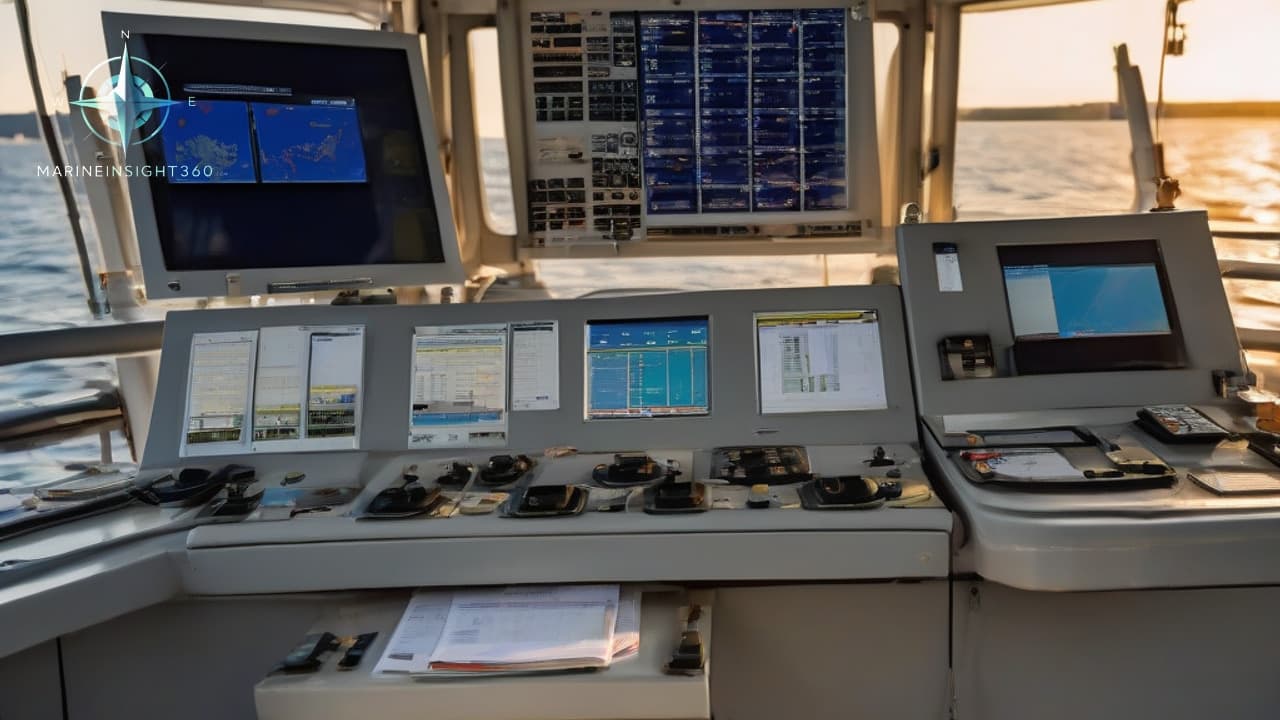
The Global Maritime Distress Safety System (GMDSS) is an international system that lets ships in distress send automated alerts and receive help anywhere in the world. It replaced old Morse code methods with satellite‑based, digital, and automated technologies.
What most people miss
Many overlook that GMDSS divides the world’s oceans into four sea areas (A1–A4) that dictate the specific equipment a ship must carry. For example, a vessel operating within 20–30 nautical miles of shore (Sea Area A1) needs VHF radios, while a ship beyond 100 nautical miles (Sea Area A2) must also carry MF radio gear. The polar region (Sea Area A4) is outside satellite coverage, yet still requires GMDSS equipment for local radio communications.
Common mistakes
- Failing to maintain or test the EPIRB, which automatically sends the ship’s identity and GPS position via satellite.
- Not training crew to operate Digital Selective Calling (DSC) or to respond to NAVTEX warnings.
- Ignoring the requirement for SARTs on lifeboats or survival craft, which help rescuers locate them by responding to radar signals.
- Overlooking the need for VHF, MF, and HF radios in the appropriate sea area.
- Assuming satellite communication alone suffices; a ship still needs local radio systems for certain sea areas.
Checklist for compliance
- EPIRB that transmits via satellite when activated.
- SART to respond to rescue vessel radar.
- NAVTEX receiver for automatic weather and safety broadcasts.
- VHF, MF, and HF radios as required by the sea area.
- Satellite communication system for long‑range distress alerts.
- Digital Selective Calling (DSC) capability.
- Valid GMDSS operator certificates for crew members.
When this doesn’t apply
Vessels that are not passenger ships, cargo ships over 300 gross tonnage, or vessels engaged in international voyages may not be required to carry GMDSS equipment under current international regulations.
More from the Blog
Important Points for Committing Cargo Quantities in Tanker Ships
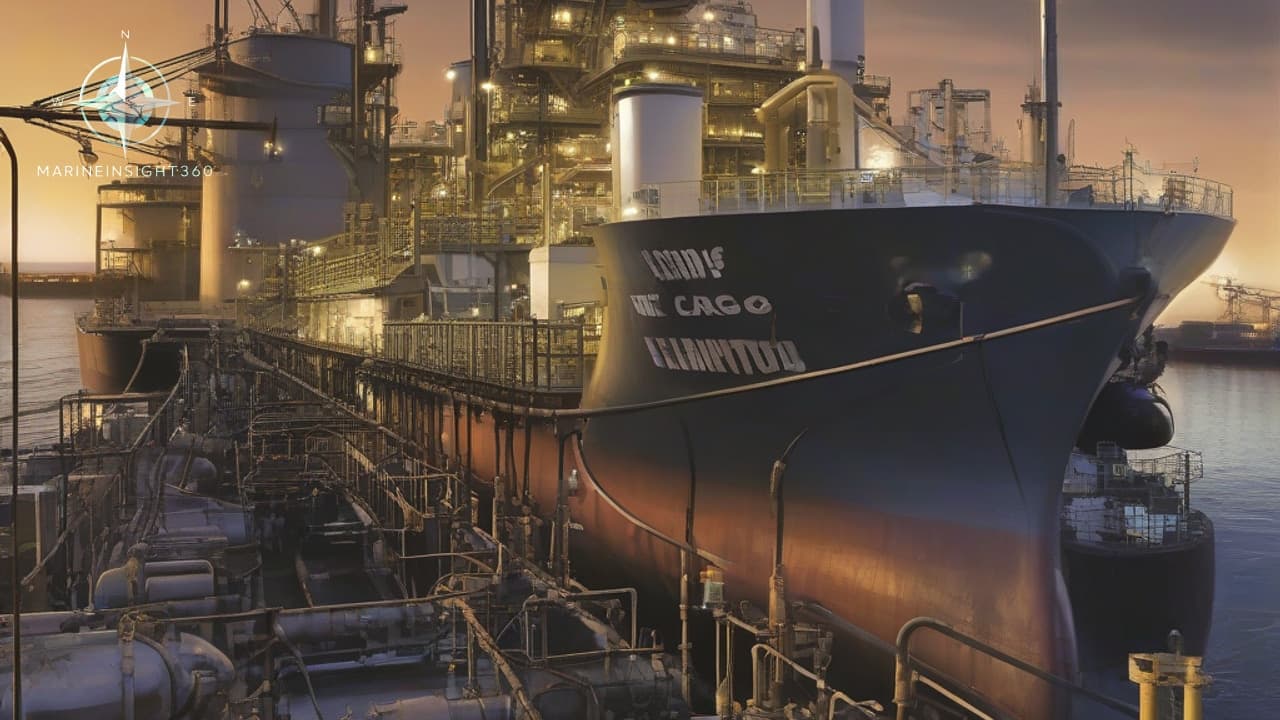
Committing cargo quantities on tanker ships is a critical commercial and operational decision. Whether it is crude oil, refined petroleum products,…
What is Displacement of a Ship ?
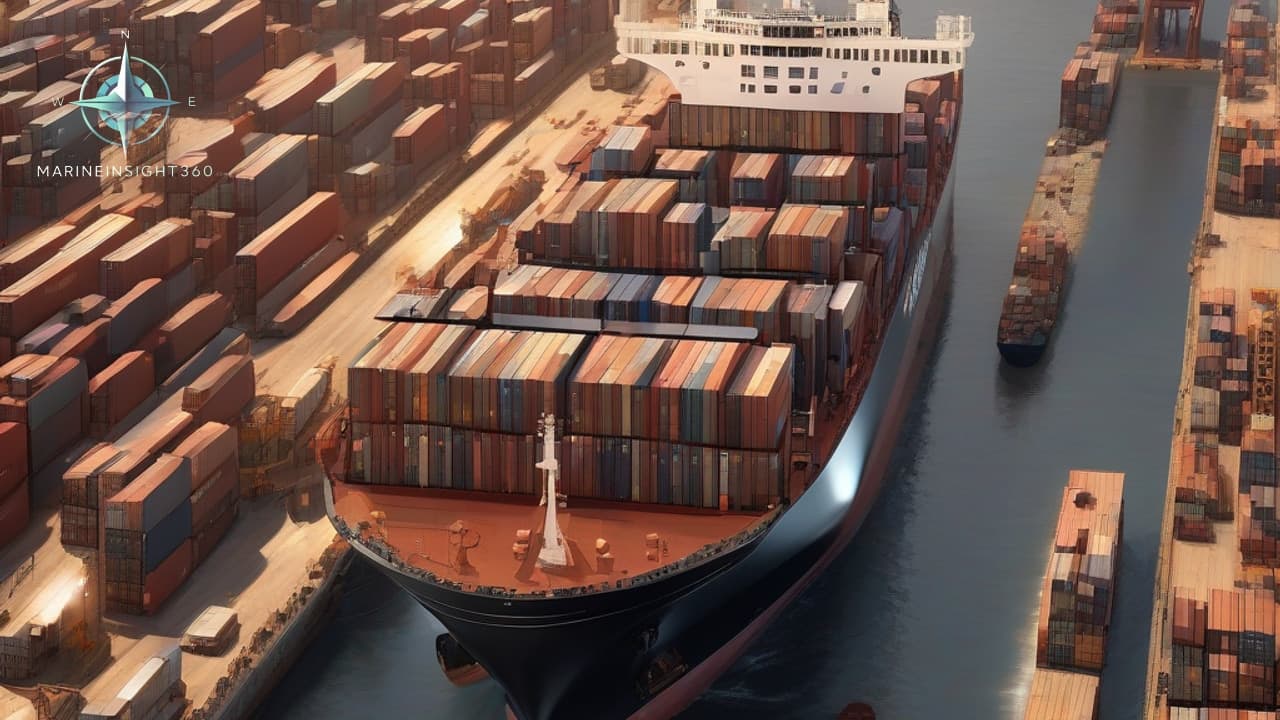
Imagine a colossal container ship like the Ever Given, stuck in the Suez Canal back in 2021. That beast weighs over 200,000 tons when fully loaded,…
Understanding Cruise Ship Hull Design
Cruise ships rely on hull shapes that blend form with function. Designers pick shapes to cut through water with less effort. This boosts speed and cuts…