
What is Displacement of a Ship ?
Learn what ship displacement means, how it differs from gross tonnage, and why it matters for safe loading and performance.
Direct Answer
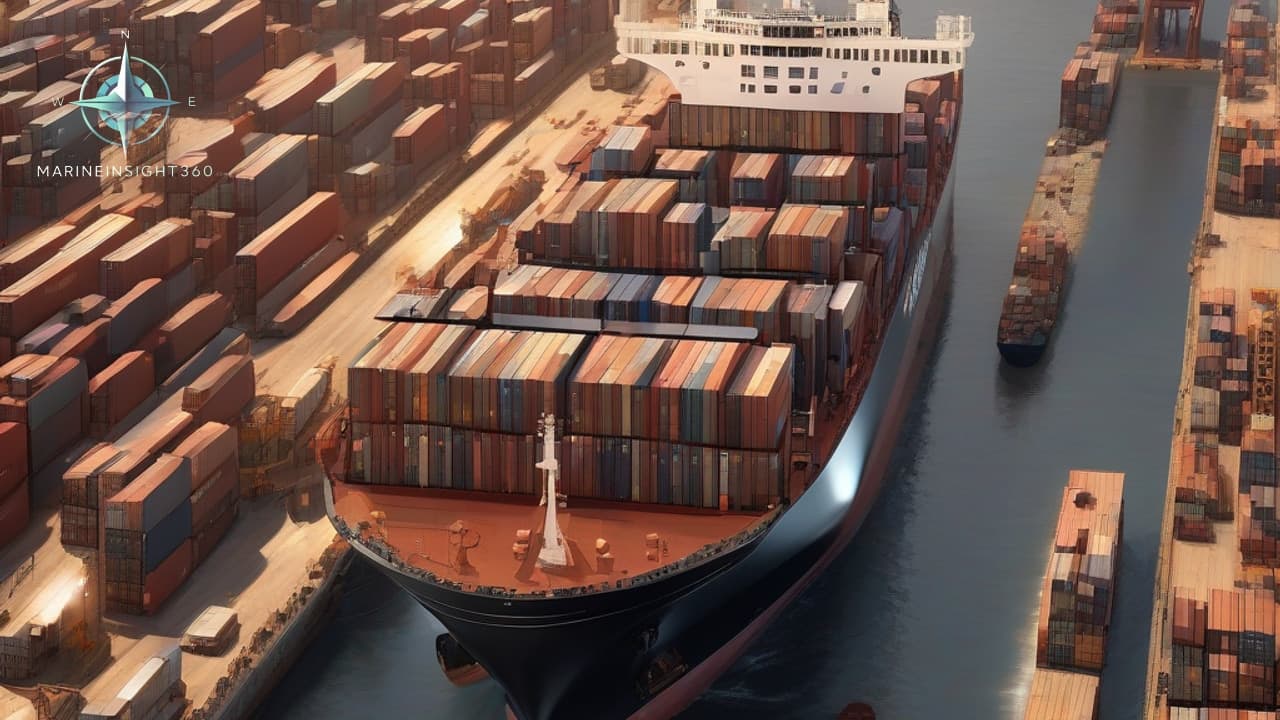
Ship displacement is the weight of a vessel and everything on it, equal to the weight of the water it pushes aside.
How It Works
Archimedes’ Principle says that a floating object receives an upward force equal to the weight of the water it displaces. For a ship, that means the total weight of the hull, cargo, fuel, crew, and supplies is balanced by the weight of the seawater displaced.
What Most People Miss
Many equate displacement with a ship’s size, but it is a mass measurement, not a volume. The difference between displacement, gross tonnage (volume), and deadweight tonnage (carry capacity) is key for safe loading and performance.
Common Mistakes
- Confusing displacement with gross tonnage.
- Using a single displacement figure for fresh and salt water.
- Ignoring the Plimsoll line and freeboard limits.
- Assuming light displacement equals full‑load displacement.
- Overlooking how increased displacement raises drag, fuel use, and reduces maneuverability.
Checklist for Practitioners
- Obtain the vessel’s light displacement from the builder’s data sheet.
- Subtract light displacement from full‑load displacement to get deadweight tonnage.
- Check the Plimsoll line for the season and water density in which the ship will operate.
- Conduct draft surveys before and after loading to confirm actual displacement.
- Adjust engine power and speed plans to account for the higher drag at greater displacement.
When This Doesn’t Apply
Displacement is less critical for small freshwater craft or vessels that always operate at a fixed, light load (e.g., some research submersibles). In those cases, other stability metrics take precedence.
Key Takeaways
Displacement tells you how much a ship weighs in the water. Light displacement is the bare ship weight. Deadweight tonnage is what the ship can carry. Full‑load displacement is the sum of light displacement and deadweight. The Plimsoll line marks safe loading limits. Draft surveys verify real‑world displacement. More displacement means more drag and fuel consumption.
Examples from the Source
- The Ever Given weighed over 200,000 tons fully loaded.
- Seawise Giant displaced more than 650,000 tons full.
- Oasis of the Seas is about 225,000 tons.
- A destroyer displaces around 9,000 tons light.
- A ferry typically displaces about 10,000 tons.
More from the Blog
Important Points for Committing Cargo Quantities in Tanker Ships
Committing cargo quantities on tanker ships is a critical commercial and operational decision. Whether it is crude oil, refined petroleum products,…
Understanding Cruise Ship Hull Design
Cruise ships rely on hull shapes that blend form with function. Designers pick shapes to cut through water with less effort. This boosts speed and cuts…
Maritime Lawyer: Job Description and Expertise
The maritime industry operates across international waters, multiple jurisdictions, and complex regulatory frameworks. When legal disputes arise at sea or…