
Important Points for Committing Cargo Quantities in Tanker Ships
Learn how to accurately commit cargo on tanker ships, covering DWT, load lines, density, stability, terminal limits, and contractual tolerances.
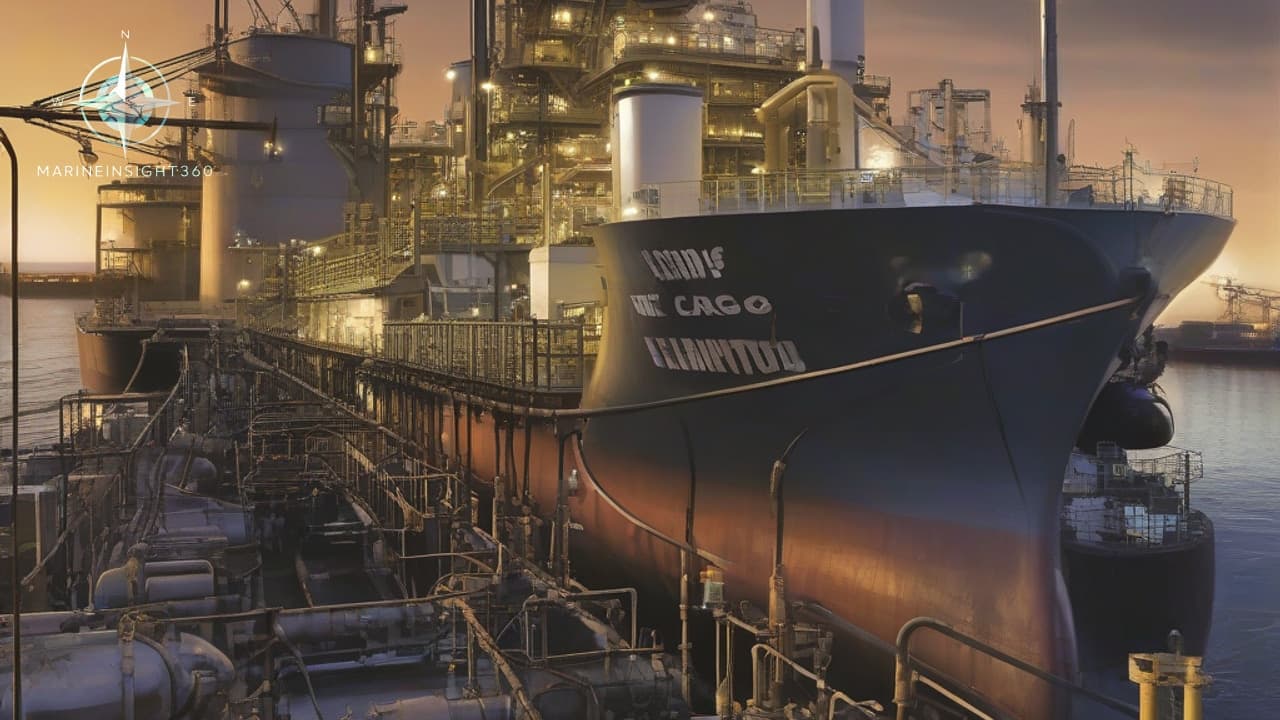
Direct Answer
When committing cargo quantities on a tanker, you must balance vessel capacity (DWT), load‑line limits, cargo density and temperature, tank segregation, ullage, stability calculations, terminal restrictions, contractual tolerances, sludge/ROB, weather impacts, and MARPOL rules. Accurate commitment protects finances, operations, and safety.
What Most People Miss
Many overlook the cumulative effect of sludge, remaining onboard (ROB) fuel, and temperature‑driven expansion. Even a small oversight in these areas can push a tanker over its load‑line or stability limits.
Common Mistakes
- Ignoring load‑line adjustments for seasonal or tropical zones.
- Underestimating cargo expansion due to temperature changes.
- Failing to maintain required ullage, increasing free‑surface risk.
- Overlooking terminal limits on draft, loading rate, or manifold pressure.
- Not accounting for charterparty tolerances, leading to disputes.
Checklist for Accurate Cargo Commitment
- DWT Check: Confirm total allowable deadweight, including cargo, fuel oil, ballast water, freshwater, and provisions.
- Load‑Line Verification: Apply summer, winter, tropical, and port draft restrictions.
- Cargo Density & Temperature: Use API gravity for crude oil and apply expansion factors.
- Tank Capacity & Segregation: Verify volume limits, segregation plans, and slop tank capacity.
- Ullage & Free‑Surface: Ensure sufficient empty space to accommodate expansion and reduce stability impact.
- Stability & Stress: Run longitudinal strength, bending moment, shear force, and trim calculations.
- Terminal Restrictions: Check maximum draft, loading rate, manifold pressure, and cargo type compatibility.
- Contractual Tolerances: Verify +/-5% allowance and min/max clauses.
- Sludge & ROB: Subtract sludge quantity and remaining onboard fuel from available capacity.
- Weather & Voyage: Factor in temperature changes, evaporation losses, and boil‑off gas for LNG.
- MARPOL Compliance: Ensure proper handling of residues and tank washing procedures.
When This Doesn’t Apply
These guidelines are specific to tanker operations. They do not apply to non‑tanker vessels, such as bulk carriers or container ships, where cargo types, segregation rules, and density considerations differ.
More from the Blog
What is Displacement of a Ship ?
Imagine a colossal container ship like the Ever Given, stuck in the Suez Canal back in 2021. That beast weighs over 200,000 tons when fully loaded,…
Understanding Cruise Ship Hull Design
Cruise ships rely on hull shapes that blend form with function. Designers pick shapes to cut through water with less effort. This boosts speed and cuts…
Maritime Lawyer: Job Description and Expertise
The maritime industry operates across international waters, multiple jurisdictions, and complex regulatory frameworks. When legal disputes arise at sea or…