
What Is a Safety Committee on Ships?
Safety at sea is not just about equipment—it’s about people, communication, and shared responsibility. One of the most important structures that supports…
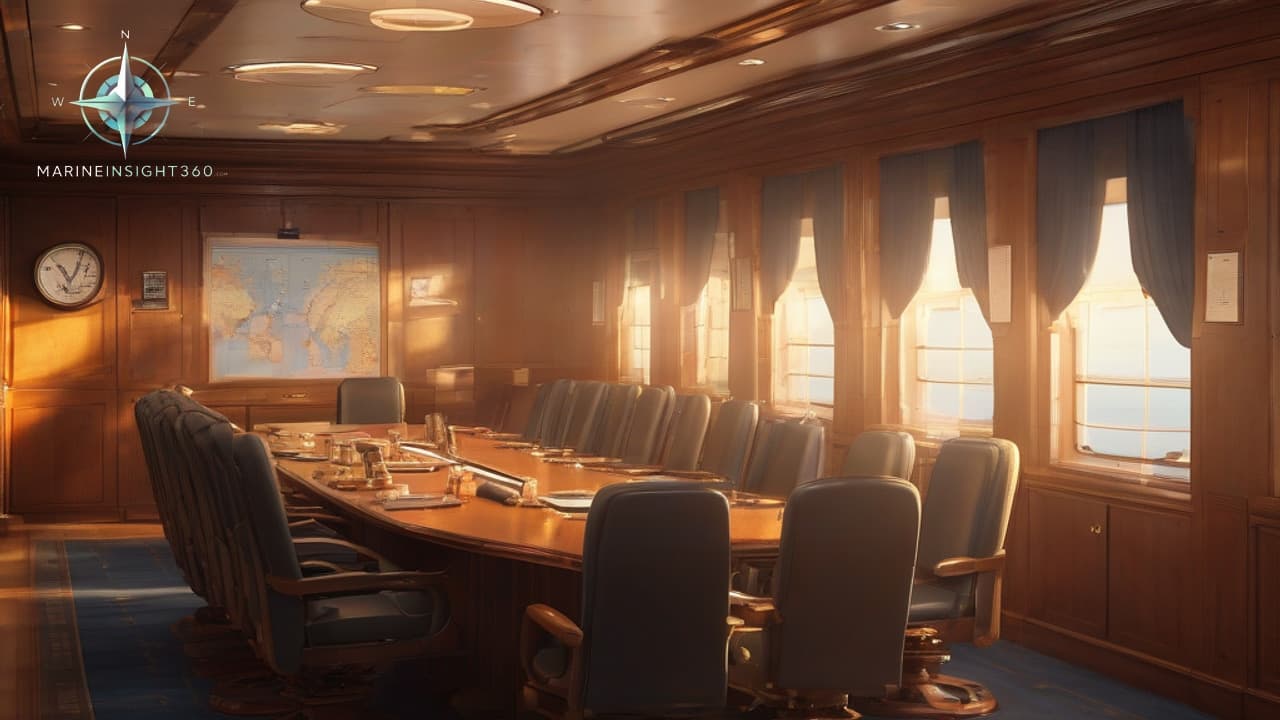
Safety at sea is not just about equipment—it’s about people, communication, and shared responsibility. One of the most important structures that supports this culture onboard is the Safety Committee . Required on many commercial vessels, the safety committee plays a key role in preventing accidents, improving working conditions, and ensuring compliance with maritime safety standards.
Here’s a clear, practical look at what a safety committee on ships is, how it works, and why it matters.
What Is a Safety Committee?
A safety committee is a formal onboard group made up of ship officers and crew representatives. Its purpose is to identify safety risks, discuss incidents, and recommend improvements to protect crew, the vessel, cargo, and the environment.
The committee acts as a bridge between management and crew, ensuring that safety concerns raised by seafarers are heard, documented, and acted upon.
Why Is a Safety Committee Important?
Life at sea involves inherent risks—heavy machinery, confined spaces, hazardous cargo, and changing weather. A safety committee helps by:
- Promoting a strong safety culture
- Encouraging open communication about hazards
- Reducing accidents and near-misses
- Improving morale and trust onboard
When crew members feel safe to speak up, risks are identified early—before they become serious incidents.
Who Are the Members of a Ship’s Safety Committee?
While composition may vary by company policy and flag state, a typical safety committee includes:
- The Master or a senior officer (often the chairperson)
- Chief Officer and/or Chief Engineer
- Safety Officer
- Crew representatives from deck, engine, and catering departments
Including crew representatives ensures that safety discussions reflect real working conditions onboard.
Key Duties of the Safety Committee
The safety committee has several important responsibilities, including:
- Reviewing accidents and near-misses to identify root causes
- Conducting safety inspections of work areas and equipment
- Discussing safety concerns raised by crew
- Recommending corrective actions to prevent recurrence
- Monitoring compliance with safety procedures and company policies
All findings and decisions are usually recorded in safety meeting minutes .
How Often Does the Safety Committee Meet?
Safety committee meetings are typically held:
- Once a month , or
- After a serious incident or accident
Regular meetings ensure continuous improvement rather than reactive safety management .
Topics Commonly Discussed in Meetings
Typical agenda items include:
- Recent incidents or near-miss reports
- Condition of safety equipment
- Risk assessments and toolbox talks
- Training needs and safety drills
- Fatigue, workload, and welfare issues
These discussions help turn day-to-day experiences into practical safety improvements.
Legal and Regulatory Requirements
Safety committees are required or strongly recommended under:
- International maritime labor and safety standards
- Flag state regulations
- Company Safety Management Systems (SMS)
Failure to maintain an active safety committee can lead to non-compliance during inspections and increased risk of accidents.
Benefits of an Effective Safety Committee
A well-functioning safety committee leads to:
- Fewer accidents and injuries
- Better reporting of hazards
- Stronger teamwork and communication
- Improved compliance during audits and inspections
Ultimately, it helps create a safer, more professional working environment at sea.
Final Thoughts
A safety committee on ships is not just a formality—it’s a practical tool for saving lives and preventing damage . When taken seriously, it empowers crew members, strengthens safety culture, and ensures that everyone onboard plays a role in making the ship a safer place to work.
More from the Blog
Important Points for Committing Cargo Quantities in Tanker Ships
Committing cargo quantities on tanker ships is a critical commercial and operational decision. Whether it is crude oil, refined petroleum products,…
What is Displacement of a Ship ?
Imagine a colossal container ship like the Ever Given, stuck in the Suez Canal back in 2021. That beast weighs over 200,000 tons when fully loaded,…
Understanding Cruise Ship Hull Design
Cruise ships rely on hull shapes that blend form with function. Designers pick shapes to cut through water with less effort. This boosts speed and cuts…