
What is a Bulk Liquid Terminal?
A bulk liquid terminal is an area within a seaport equipped with the necessary infrastructure for storing and transporting large quantities of liquefied…
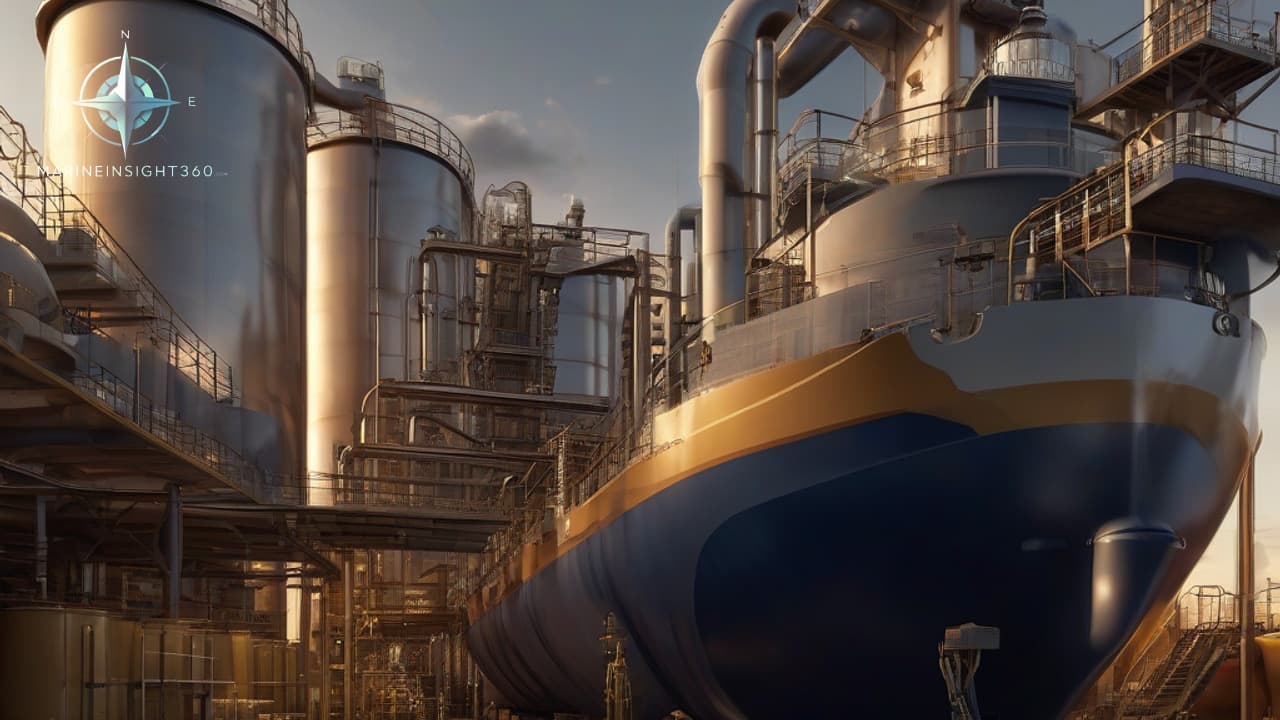

What is a Bulk Liquid Terminal?
A bulk liquid terminal is an area within a seaport equipped with the necessary infrastructure for storing and transporting large quantities of liquefied liquids or gases. These liquids include crude oil and its derivatives, chemicals, liquefied natural gas (LNG), liquefied petroleum gas (LPG), and more.
While grain terminals primarily handle large quantities of grain or powders, bulk liquids are received and stored at bulk liquid terminals before being transported to customers by sea, road, rail, or pipeline.
Sound planning and coordination are crucial for transporting these large volumes of liquid cargo. This may involve transferring cargo from one mode of transport to another, or from transport to storage, and vice versa.
Bulk Liquid Terminals
Strict adherence to safety requirements and regulations is essential throughout this process to prevent economic losses, accidents, and spills. Failure to comply with safety requirements and regulations often results in personal injury and catastrophic environmental damage.
Bulk liquid transport plays a vital role in numerous industries, including energy, chemicals, and beverages. Each industry handles different types of bulk liquids, and therefore, their handling, storage, and transport requirements vary.
Tankers or barges transport large quantities of liquids by sea, while tank trucks and rail transport by land. Some bulk liquid terminals are directly connected to customers' plants via large pipelines.
Types of Bulk Liquid Transportation
Bulk liquid transportation is generally classified into the following categories:
- Edible Liquids,
- Non-Edible Liquids,
- Hazardous Liquids,
- Non-Hazardous Liquids
Vegetable oils and fruit juices are examples of edible liquids. Most edible liquids are non-hazardous liquids. Fuels, lubricants, chemicals, and acids are examples of non-edible and hazardous liquids. Mineral oils are examples of non-edible and hazardous liquids.
What are Liquefied Gases?
Although natural gas can be compressed under high pressure and stored in tanks, it is highly explosive, especially during loading, unloading, and transportation.
Technological advancements have made it possible to liquefy these gases at extremely low temperatures and transport them safely; this process is known as liquefied natural gas (LNG) or liquefied petroleum gas (LPG).
Types of Vessels Transporting Bulk Liquids
Depending on the quantity and type of cargo, liquids can be stored in flexible tanks, ISO tanks, or drums. Unlike container ships that use standard multimodal containers or the tanks mentioned here, large ocean-going tankers transport oil or liquefied gas cargo directly into specially designed cargo holds or tanks on board.
This is similar to dry bulk shipping, where cargoes such as coal, minerals, fertilizers, grains, and other commodities are transported in dedicated cargo holds on board, rather than using individual containers. Liquid bulk carriers are designed and built with the characteristics of the cargo they transport in mind, especially hazardous materials.
Liquefied petroleum gas (LPG) carriers use specially designed spherical or cylindrical tanks capable of withstanding high pressures. Liquefied natural gas (LNG) carriers, on the other hand, employ special insulated cylindrical tanks to transport LNG at extremely low temperatures.
- Boiling Liquid Expanding Vapor Explosion (BLEVE)
- What Are Gas Tankers? Types Of Gas Tankers
- Top Oil and Gas Terminals in Middle East
- How to Become a Shipbroker – Everything You Need to Know
- Top 5 Dominant Global Shipbuilding Industry
- World’s First Cargo Of Bauxite Using LNG-Powered Ship
Liquid Terminals
Oil and gas carriers come in a wide variety of types, ranging from small coastal vessels to giant ships designed to transport thousands of deadweight tons (DWT) of liquid or gaseous cargo.
Generally, coastal oil tankers transport cargo with a deadweight tonnage of less than 50,000 tons, while Aframax and Suezmax tankers have a deadweight tonnage between 80,000 and 180,000 tons.
Very Large Crude Carriers (VLCCs) can have a deadweight tonnage of up to 320,000 tons, equivalent to approximately 2 million barrels of crude oil. Ultra Large Crude Carriers (ULCCs) are designed for even larger deadweight tonnages. The largest VLCC currently has a deadweight tonnage of approximately 3 million barrels.
Bulk liquid handling terminals are designed and equipped to meet the needs of different types of vessels. Handling tankers of various sizes and shapes requires specialized equipment and technology at the terminal.
Safety Features
Oil booms and hoses used for loading and unloading liquid cargoes may vary depending on the vessel type. Most oil booms are equipped with two liquid lines, while some also have a third steam line.
Connecting mechanisms used for safe and rapid connection between the oil boom and the tanker are typically remotely operated and include safety features to prevent accidental disconnection.
Shipyards
Stored liquids, especially crude oil, release hydrocarbon vapors or other volatile organic compounds . These vapors can be highly explosive when mixed with air. Therefore, after sulfur removal, these vapors are collected and safely transported to vapor recovery tanks at the terminal.
In addition to the large pipelines running through bulk liquid terminals, various types of large storage tanks and pumping stations are used to manage these operations. Liquid cargoes are typically stored in robust tanks equipped with specialized safety devices, such as automatic steam venting and pressure control systems, and sensors for measuring temperature, level, and other critical parameters.
Operations of Bulk Liquid Terminals
Operating a modern bulk liquid terminal can be extremely complex and demanding. Reducing tanker loading and unloading times requires modern, innovative technologies and a highly trained workforce for efficient operations.
The integration of technology, automation, and data tools facilitates better decision-making, thereby improving operational efficiency. Technical operators receive regular training to meet stringent loading and unloading safety requirements and ensure the safe and efficient transport of liquid cargoes using specialized procedures and equipment.
Effective risk management strategies are crucial for addressing the challenges that arise in bulk liquid terminal operations. Identifying, assessing, and implementing mitigation measures is essential.
Safety Standards
The International Standard for Tanker and Terminal Safety (ISGOTT) is the most widely recognized safety standard in the liquid bulk terminal industry.
This guide provides technical guidance for tanker and terminal operations. It is jointly published and updated by the International Council of Shipping (ICS), the International Oil Companies Maritime Forum (OCIMF), and the International Association of Ports and Harbors (IAPH).
Liquid Bulk Terminals
While increased cargo volumes will bring more revenue to liquid bulk terminal operators, they must consider environmental impacts and adopt sustainable practices. Safety must be paramount.
Compliance with local and international regulations relating to the transport, handling, and storage of liquid bulk cargo, and consistently prioritizing the interests of stakeholders, is essential to ensuring the operational success of liquid bulk terminals.
More from the Blog
Important Points for Committing Cargo Quantities in Tanker Ships
Committing cargo quantities on tanker ships is a critical commercial and operational decision. Whether it is crude oil, refined petroleum products,…
What is Displacement of a Ship ?
Imagine a colossal container ship like the Ever Given, stuck in the Suez Canal back in 2021. That beast weighs over 200,000 tons when fully loaded,…

Understanding Cruise Ship Hull Design
Cruise ships rely on hull shapes that blend form with function. Designers pick shapes to cut through water with less effort. This boosts speed and cuts…