
What Are Fast Rescue Boats (FRBs)?
In maritime emergencies, speed can mean the difference between life and death. Whether it’s rescuing a person overboard, responding to a nearby distress…
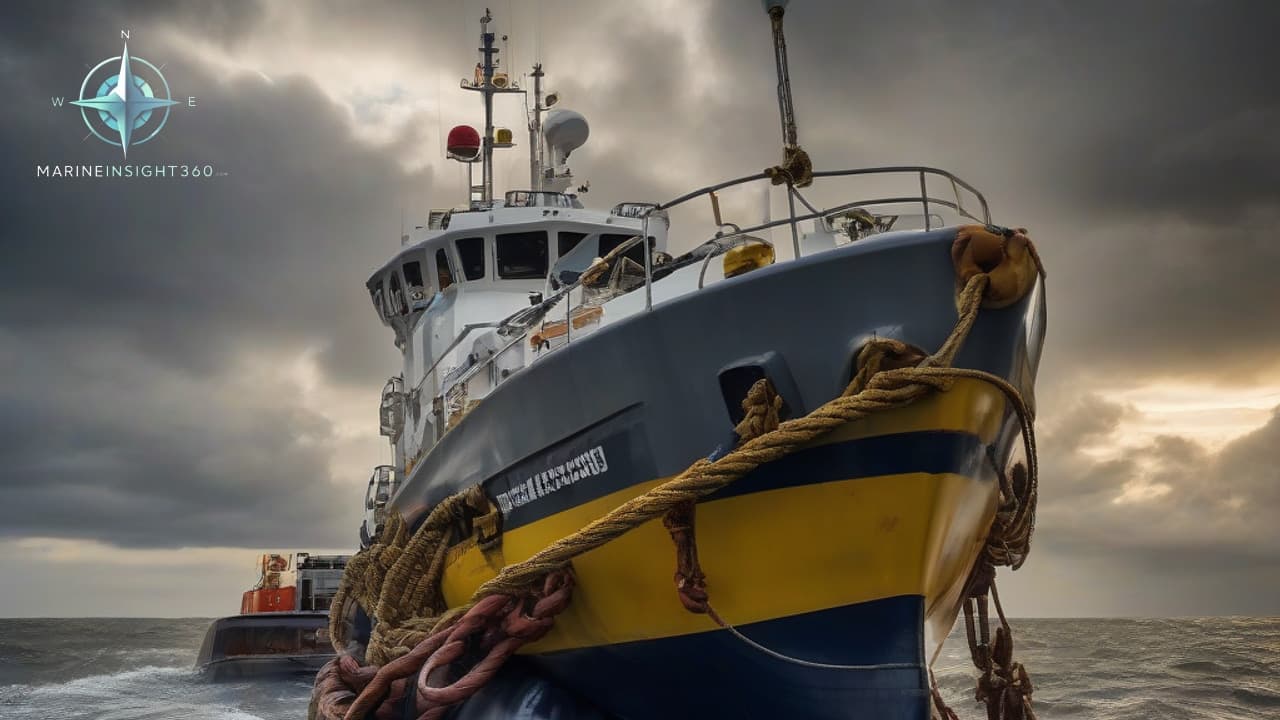
In maritime emergencies, speed can mean the difference between life and death. Whether it’s rescuing a person overboard, responding to a nearby distress call, or assisting during an evacuation, ships rely on Fast Rescue Boats (FRBs) for rapid response operations.
Fast Rescue Boats are specially designed, high-speed boats carried onboard ships to perform rescue missions quickly and efficiently.
What Is a Fast Rescue Boat?
A Fast Rescue Boat (FRB) is a small, powerful rescue craft capable of high-speed maneuvering in rough sea conditions. It is designed primarily for:
- Recovering persons overboard
- Assisting survivors during abandon ship situations
- Supporting search and rescue (SAR) operations
- Towing liferafts
FRBs are commonly found on:
- Passenger ships
- Offshore vessels
- Oil rigs
- Some cargo vessels
Why Are Fast Rescue Boats Important?
In emergency situations, large ships cannot easily turn or stop quickly. An FRB allows the crew to respond rapidly without maneuvering the entire vessel.
Key benefits include:
- Quick launch and recovery
- High-speed response
- Excellent maneuverability
- Ability to operate in adverse weather
They are critical in saving lives during maritime incidents .
Main Features of a Fast Rescue Boat
FRBs are built with specific design features to ensure safety and performance:
- High-speed engines (often capable of 20+ knots)
- Lightweight but strong hull construction
- Self-righting capability (in many models)
- Shock-absorbing seating
- Radar reflectors and communication equipment
- Searchlights and rescue gear
Some modern FRBs are equipped with advanced navigation and communication systems for better coordination during rescue missions.
How Are Fast Rescue Boats Launched?
FRBs are usually launched using:
- Davit systems
- Slipway arrangements
- Crane-assisted deployment
They are designed for rapid deployment , often within minutes of an emergency alert.
Regulatory Requirements
Under SOLAS Convention , passenger ships must carry at least one Fast Rescue Boat. Certain cargo vessels and offshore units are also required to carry FRBs depending on size and operation type.
Regular drills and maintenance are mandatory to ensure readiness.
FRB vs Lifeboat – What’s the Difference?
While both are survival craft, they serve different purposes:
- Lifeboat → Used for abandoning ship and survival
- Fast Rescue Boat → Used for rescue and recovery operations
FRBs are built for speed and maneuverability, whereas lifeboats are designed for long-term survival at sea.
When Are Fast Rescue Boats Used?
FRBs are commonly deployed during:
- Man overboard situations
- Emergency evacuations
- Oil spill response
- Offshore platform emergencies
- Maritime accidents
Their speed and agility make them ideal for urgent rescue operations.
Final Thoughts
Fast Rescue Boats are essential lifesaving assets on modern vessels. Designed for speed, strength, and reliability, they enable crews to respond quickly in emergencies where every second counts.
Understanding the function and importance of FRBs is crucial for seafarers, maritime students, and anyone involved in ship operations.
More from the Blog
Important Points for Committing Cargo Quantities in Tanker Ships
Committing cargo quantities on tanker ships is a critical commercial and operational decision. Whether it is crude oil, refined petroleum products,…
What is Displacement of a Ship ?
Imagine a colossal container ship like the Ever Given, stuck in the Suez Canal back in 2021. That beast weighs over 200,000 tons when fully loaded,…
Understanding Cruise Ship Hull Design
Cruise ships rely on hull shapes that blend form with function. Designers pick shapes to cut through water with less effort. This boosts speed and cuts…