
The Importance of Port Security
Introduction: Why Port Security Can No Longer Be an Afterthought
Introduction: Why Port Security Can No Longer Be an Afterthought
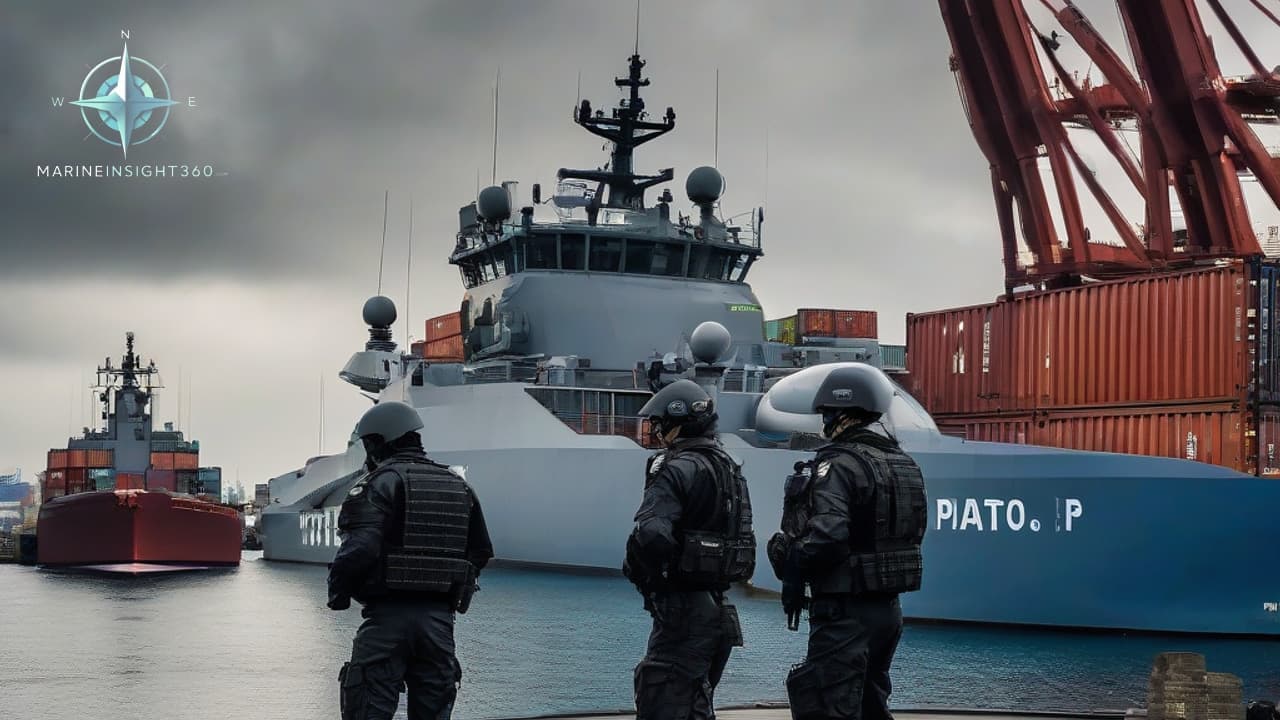
Every single day, more than 90% of the world's traded goods pass through ports. These sprawling, complex environments are the beating heart of global commerce — moving everything from raw materials and consumer electronics to fuel and food. Yet despite their critical role in sustaining modern economies, ports remain among the most vulnerable points in the global supply chain .
Port security is not simply about preventing theft or keeping unauthorized visitors off a dock. It encompasses a vast and intricate web of measures designed to protect people, cargo, infrastructure, and national sovereignty from a wide spectrum of threats — ranging from terrorism and smuggling to cyberattacks and natural disasters.
For professionals in the marine industry — port operators, shipping companies , logistics providers, customs officials, and maritime security consultants — understanding the full scope and strategic importance of port security is not optional. It is a professional imperative.
This guide offers a comprehensive, in depth look at port security: what it means, why it matters, what threatens it, and how the marine industry can take decisive, practical action to strengthen it. Whether you are building a security framework from scratch or auditing an existing one, this article will give you the clarity and actionable direction you need.
Port Security Basics
What Is Port Security? Defining the Scope
Before diving into threats and solutions, it is essential to understand exactly what port security encompasses. The term is broad, intentionally so, because ports themselves are broad environments.
The Physical Dimension of Port Security
At its most foundational level, port security refers to the physical protection of port infrastructure. This includes:
- Perimeter fencing, access control gates, and checkpoint systems
- Surveillance cameras, motion sensors, and lighting infrastructure
- Guard forces and maritime patrol units
- Screening of cargo, vehicles, and personnel entering or exiting the port
- Protection of critical assets such as cranes, storage facilities, fuel depots, and terminal buildings
Physical security forms the first and most visible layer of port protection. However, in today's environment, physical measures alone are no longer sufficient.
The Cybersecurity Dimension
Modern ports are increasingly digital environments. Automated cranes, electronic cargo management systems, port community systems (PCS), vessel traffic services (VTS), and customs clearance platforms are all connected to networks. This digital transformation has introduced a new and rapidly growing attack surface.
Cyber threats targeting ports include ransomware attacks, data breaches, GPS spoofing, and interference with automated operational technology (OT) systems. The infamous NotPetya cyberattack of 2017 , which crippled the operations of shipping giant Maersk, caused an estimated $$300 million in losses and vividly illustrated just how devastating a digital security failure can be in the marine industry.
The Regulatory and Compliance Dimension
Port security is also governed by an extensive framework of international regulations and standards. Understanding and complying with these is both a legal obligation and a professional responsibility.
- ISPS Code – The International Ship and Port Facility Security Code, adopted by the IMO in 2002, is the cornerstone of international port security regulation
- SOLAS Chapter XI 2 – Special measures to enhance maritime security under the International Convention for the Safety of Life at Sea
- The US SAFE Port Act (2006) – Legislation requiring enhanced screening, credentialing, and security planning at US ports
- EU Regulation 725/2004 – The European Union's equivalent framework for maritime security
- ISO 28000 – International standards for supply chain security management
Compliance with these frameworks is not merely a checkbox exercise. It reflects a port's commitment to global security norms and directly affects its reputation, insurance costs, and operational continuity.
Threats to Port Security
Why Port Security Matters: The High Stakes of Getting It Wrong
Understanding the why behind port security requires an honest look at what is actually at risk. The consequences of a security failure at a major port are not contained to that single facility — they ripple outward, affecting entire economies, supply chains, and communities.
National Security and Counterterrorism
Ports are strategically significant targets. A coordinated terrorist attack on a major port could:
- Destroy critical national infrastructure
- Disrupt fuel, food, or medical supply chains
- Cause mass casualties among port workers and nearby civilian populations
- Shut down maritime trade for weeks or months, triggering economic shocks
The smuggling of weapons, including potentially weapons of mass destruction (WMDs), through ports is a recognized and ongoing national security concern. Governments worldwide invest heavily in container scanning, radiation detection, and intelligence led screening precisely because the consequences of a single failure could be catastrophic.
Economic Security and Supply Chain Integrity
Global trade is extraordinarily dependent on port efficiency and reliability. When port security fails — even temporarily — the consequences for commerce can be severe.
Consider the 2021 Suez Canal blockage , which lasted just six days. That single event disrupted an estimated $$9.6 billion per day in trade. A major security incident at a port of comparable strategic importance could cause disruptions of far greater magnitude and duration.
For marine industry operators, security breaches directly translate into:
- Cargo theft and loss
- Increased insurance premiums
- Operational shutdowns and delays
- Loss of shipper confidence and business
- Regulatory fines and sanctions
- Reputational damage that can take years to recover from
Human Security: Protecting the People Behind the Port
Ports are workplaces. They employ millions of people worldwide — dock workers, crane operators, customs officials, logistics coordinators, security personnel, and many others. Port security directly protects the lives and livelihoods of these individuals.
Human trafficking is a particularly grave concern in the maritime context. Criminal networks exploit the complexity and volume of cargo movement to smuggle people across borders. Robust port security frameworks — including personnel screening, behavioral detection, and intelligence sharing — are frontline tools in combating this form of modern slavery.
The Threat Landscape: Understanding What Ports Face Today
The threats facing ports in the modern era are more diverse, sophisticated, and interconnected than at any previous point in history. A truly effective port security strategy must account for all of them.
Terrorism and Politically Motivated Violence
While the frequency of direct terrorist attacks on port infrastructure remains relatively low, the threat is perpetual and evolving. Non state actors and state sponsored groups alike have demonstrated both the intent and capability to target maritime infrastructure. Explosive laden vessels, underwater attacks on port structures, and "insider threat" scenarios — where radicalized employees facilitate attacks — are all part of the threat calculus that port security planners must address.
Cargo Theft and Organized Crime
Cargo theft is one of the most persistent and costly security challenges in the marine industry. Organized criminal networks operate with sophistication, using insider knowledge, falsified documentation, and corrupt officials to divert valuable shipments. High value cargo — electronics, pharmaceuticals, luxury goods, and metals — is particularly targeted.
According to the BSI and TT Club Supply Chain Intelligence Report , cargo theft costs the global supply chain an estimated 30 billion annually , with a significant proportion occurring at or near port facilities.
Smuggling: Narcotics, Weapons, and Contraband
Ports are primary entry points for narcotics, illegal weapons, counterfeit goods, and other contraband. The sheer volume of container traffic makes comprehensive physical inspection of every shipment impossible — which is exactly what criminal organizations exploit. Advanced scanning technology, data analytics, and risk profiling systems are essential tools for detecting and intercepting illicit cargo.
Cyber Threats to Port Operations
As previously noted, the digitization of port operations has created a significant cybersecurity vulnerability. Key cyber threats include:
- Ransomware attacks – Locking down port management systems and demanding payment for restoration
- Data breaches – Theft of cargo manifests and schedules, which can be used to plan physical thefts
- GPS spoofing and AIS manipulation – Falsifying vessel location data to facilitate smuggling or enable piracy
- Attacks on Operational Technology (OT) – Disrupting automated cranes, conveyor systems, and other physical infrastructure through cyber means
The convergence of IT and OT systems in ports means that a cyber intrusion can rapidly translate into physical disruption — making cybersecurity an inseparable component of overall port security.
Environmental and Natural Hazards
While not man made threats, environmental hazards — including hurricanes, storm surges, flooding, and seismic events — represent a serious security and resilience challenge for port operators. Climate change is increasing the frequency and severity of extreme weather events, making disaster preparedness and business continuity planning increasingly important dimensions of port security strategy.
Effective Security Strategies
Core Components of an Effective Port Security Strategy
Given the complexity and breadth of the threat landscape, a robust port security strategy must be multi layered, adaptive, and intelligence driven. Here are the essential components.
Risk Assessment and Security Planning
Every effective port security program begins with a rigorous, systematic risk assessment. This process involves:
- Asset identification – Cataloguing all physical assets, systems, and data that require protection
- Threat analysis – Identifying the specific threats relevant to the port's location, cargo types, and operational profile
- Vulnerability assessment – Evaluating current security measures and identifying gaps
- Impact analysis – Assessing the potential consequences of each identified threat scenario
- Risk prioritization and mitigation planning – Developing targeted responses to the highest priority risks
This process should be conducted by qualified security professionals and reviewed regularly — at minimum annually — to account for evolving threats and operational changes.
Access Control and Personnel Security
Controlling who enters and moves within a port is a fundamental security requirement. Best practices include:
- Biometric credentialing systems – Using fingerprint or facial recognition for worker identification
- Background screening – Comprehensive vetting of all port employees, contractors, and regular visitors
- Zonal access controls – Restricting access to sensitive areas (customs bonded zones, fuel storage, server rooms) on a need to enter basis
- Visitor management systems – Logging and supervising all non regular visitors to the facility
- Insider threat programs – Training supervisors and colleagues to recognize and report suspicious behavior
Insider threats represent one of the most difficult security challenges in any environment, and ports are no exception. A trusted employee with malicious intent or who has been compromised by criminal networks can circumvent even sophisticated external security measures.
Cargo Screening and Inspection Technology
The inspection and screening of cargo is at the operational core of port security. Key technologies and methodologies include:
- X ray and gamma ray scanning systems – Non intrusive inspection of container contents
- Radiation portal monitors (RPMs) – Detection of nuclear and radiological materials
- Sniffer dogs and electronic trace detection – Narcotics and explosives detection
- Advanced manifest analysis and risk scoring – Using data analytics to flag high risk shipments before they arrive
- Seal integrity verification – Checking container seals to detect tampering
Effective cargo security is about smart targeting, not blanket inspection. The goal is to concentrate inspection resources on the highest risk shipments while maintaining the flow of legitimate trade.
Maritime Domain Awareness (MDA)
Port security extends beyond the fence line and into the surrounding waters. Maritime Domain Awareness refers to the effective understanding of anything associated with the maritime domain that could impact the security, safety, economy, or environment of a port.
MDA tools and capabilities include:
- Vessel Traffic Services (VTS) – Real time monitoring and management of vessel movements in port approaches and harbor areas
- Automatic Identification System (AIS) – Tracking vessel identity, position, and movement
- Radar and sonar systems – Detection of surface and sub surface threats
- Unmanned aerial vehicles (UAVs) – Drone based surveillance of port approaches and perimeters
- Underwater remotely operated vehicles (ROVs) – Inspection of vessel hulls and underwater port infrastructure for attached devices or tampering
Cybersecurity for Port Operations
Given the scale of cyber threats, ports must implement dedicated cybersecurity measures that address both information technology (IT) and operational technology (OT) environments:
- Network segmentation – Isolating critical OT systems from general IT networks to limit the spread of intrusions
- Regular vulnerability assessments and penetration testing – Proactively identifying weaknesses before attackers do
- Multi factor authentication (MFA) – Protecting access to all critical systems
- Security Operations Center (SOC) – 24/7 monitoring of network activity for anomalies
- Incident response planning – Clearly defined procedures for responding to and recovering from cyber incidents
- Staff cybersecurity training – Ensuring all personnel understand phishing, social engineering, and other human targeted attack vectors
Inter Agency Coordination and Information Sharing
No port operates in isolation. Effective security requires close coordination between multiple stakeholders and agencies:
- Port authority and terminal operators
- National coast guard and naval forces
- Customs and border protection agencies
- National intelligence and law enforcement agencies
- Neighboring ports and regional maritime security networks
- Private shipping companies and freight forwarders
Intelligence sharing between these parties — particularly pre arrival information about vessels, cargo, and crew — is one of the most powerful tools available for identifying and interdicting threats before they materialize.
Emerging Security Technologies
Emerging Technologies Shaping the Future of Port Security
The marine industry is at the forefront of adopting new technologies to enhance security. Several key developments are reshaping the future of port security.
Artificial Intelligence and Machine Learning
AI powered analytics are transforming cargo risk profiling, anomaly detection in surveillance feeds, and predictive threat modeling. Machine learning algorithms can process vast datasets — manifests, trade patterns, vessel histories — to identify suspicious patterns that human analysts might miss.
Blockchain for Supply Chain Security
Blockchain technology offers a tamper resistant method of recording cargo movements, documentation, and chain of custody information across the supply chain. By creating an immutable audit trail from origin to destination, blockchain can significantly reduce document fraud and improve cargo integrity verification.
Autonomous Security Systems
Unmanned surface vessels (USVs), drones, and autonomous ground vehicles are increasingly being deployed for port perimeter patrol, underwater inspection, and surveillance — extending security coverage while reducing costs and personnel risk.
Advanced Biometrics
Next generation biometric systems — including gait recognition, iris scanning, and real time facial recognition integrated with watchlists — are enhancing the speed and accuracy of personnel identification at access control points.
Building Security Culture
Building a Culture of Security in the Marine Industry
Technology and procedures are only as effective as the people implementing them. One of the most frequently overlooked aspects of port security is the human element — the organizational culture that either supports or undermines formal security measures.
Building a genuine culture of security involves:
- Leadership commitment – Senior management must visibly champion security as a core organizational value, not just a compliance function
- Regular training and drills – All personnel should receive security awareness training appropriate to their role, with regular exercises to test response procedures
- Clear reporting mechanisms – Employees should have simple, confidential channels for reporting suspicious activity without fear of reprisal
- Performance incentives – Recognizing and rewarding security conscious behavior reinforces its importance
- Continuous improvement – Security incidents, near misses, and audit findings should be systematically reviewed and used to drive improvements
Summary: The Strategic Imperative of Port Security
Port security is not a static checklist — it is a dynamic, evolving, and mission critical discipline that sits at the intersection of national security, global trade, and human welfare. For the marine industry, it represents one of the most consequential responsibilities that port operators, shipping companies, and maritime professionals carry.
The key takeaways from this guide are clear:
- Port security is multi dimensional — encompassing physical protection, cybersecurity, regulatory compliance, and human factors
- The threat landscape is complex and evolving — from terrorism and cargo theft to cyberattacks and climate related hazards
- Effective security requires a layered, intelligence driven approach — no single measure is sufficient on its own
- Emerging technologies are powerful enablers — but they must be deployed within a coherent strategic framework
- Culture is the foundation — the best technology and procedures will fail without committed, security conscious people behind them
- Collaboration is non negotiable — port security is a shared responsibility across government agencies, port authorities, and private sector operators
In a world where global trade routes are increasingly contested, climate pressures are intensifying, and criminal and state actors are growing more sophisticated, the marine industry cannot afford to treat port security as a secondary concern. It must be treated as a strategic priority — funded adequately, managed professionally, and embedded deeply into the culture of every port and shipping operation around the world.
The security of our ports is, in a very real sense, the security of the global economy. And in the marine industry, that is a responsibility worth taking seriously.
More from the Blog

Important Points for Committing Cargo Quantities in Tanker Ships
Committing cargo quantities on tanker ships is a critical commercial and operational decision. Whether it is crude oil, refined petroleum products,…
What is Displacement of a Ship ?
Imagine a colossal container ship like the Ever Given, stuck in the Suez Canal back in 2021. That beast weighs over 200,000 tons when fully loaded,…

Understanding Cruise Ship Hull Design
Cruise ships rely on hull shapes that blend form with function. Designers pick shapes to cut through water with less effort. This boosts speed and cuts…