
Ship Emitting Black Smoke? Here's What to Do
If you work in a ship's engine room, you may have received a call from the port authority reporting complaints from workers or port officials about black…
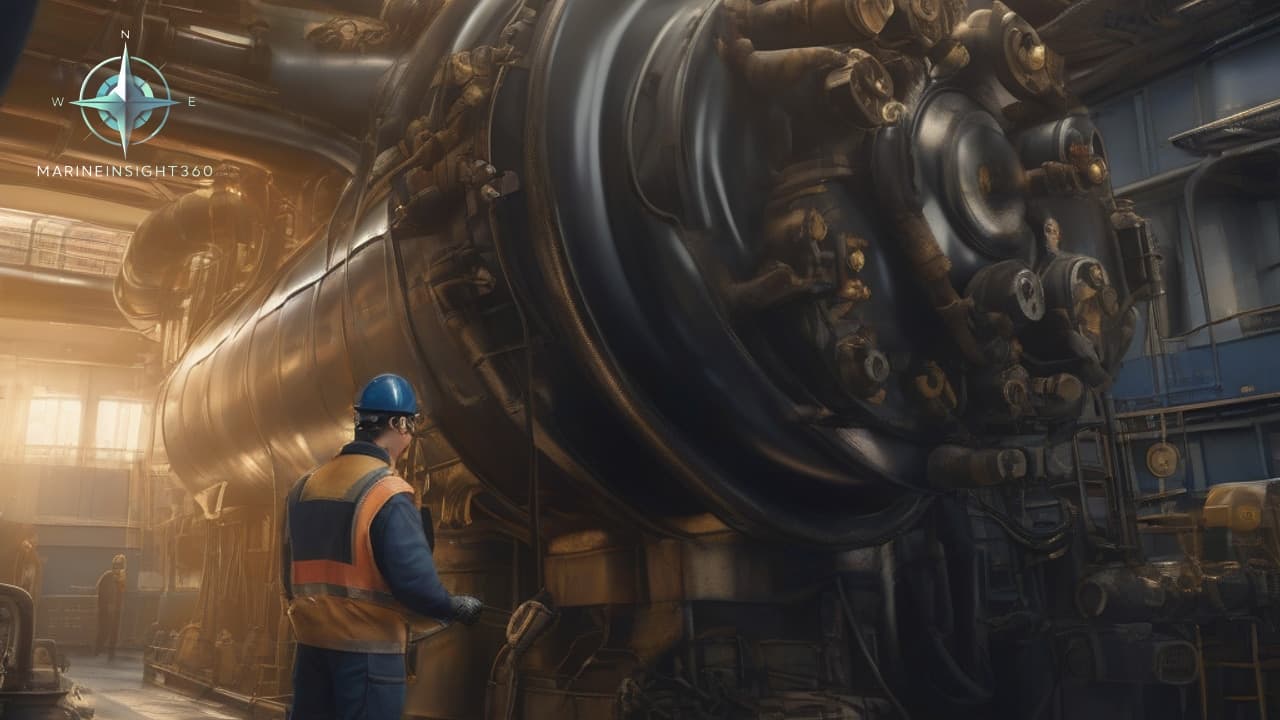

What should you do when a ship is emitting black smoke from its smokestack in port?
If you work in a ship's engine room, you may have received a call from the port authority reporting complaints from workers or port officials about black smoke coming from the smokestack.
Due to stringent environmental regulations and health concerns, many ports object to ships emitting large amounts of black smoke from their facilities. In many ports, dockworkers may even completely halt cargo handling operations as a result. These incidents can damage ships, cause unnecessary delays, and result in additional costs for the company to pay the port authority.
Therefore, engineers have been working to eliminate the causes of this unpleasant black smoke generated by ships while in port.
Ship Pollution
Let's analyze the main causes of this problem:
To solve this problem, we must focus on three automated systems that typically operate in port and whose exhaust emissions are directed towards the ship's smokestack: generators, boilers, and idling gas generators.
The primary cause of black smoke is an air-fuel ratio imbalance. This indicates insufficient air or that the fuel being delivered to the injectors is not being properly treated.
Black smoke is composed of fine particulate matter, which consists of larger fuel molecules that cannot be broken down during combustion due to lack of oxygen.
Initial inspection to determine the source of black smoke:
The ship's funnel collects all exhaust pipes from the main engine, generators, and boilers into a single container. The first step is to go to the bridge and check which exhaust pipe is producing the most black smoke.
Next, check from inside the funnel along the identified pipe to see if it is coming from the generator or the boiler.
If the problem is with the generator, start the standby generator and monitor the black smoke. Then begin troubleshooting.
If the problem is with the boiler, and the cause cannot be determined while the machine is running, switch all running machinery to diesel fuel and shut down the boiler for troubleshooting.
- Amazing Ocean Mysteries & Phenomena You Never Know
- Why Is Dry Ice Used in Packaging?
- What is the World’s Most Powerful Ship Engine?
- Do You Know About Andrea Doria Sinking Story?
- Why Ship Generators Shut Down Immediately?
- MARPOL and Air Pollution: Reducing Emissions from Ships
Inspection items for ship generators:
Check the ship's total electrical load (usually lower than the load at sea) and ensure the generators are operating within their optimal operating range. If both generators are operating at a lower load, it is recommended to shut down one and transfer the load to the other generator (70-80% of the load) to achieve efficient combustion and higher turbocharger speeds, thereby increasing the intake air volume in the cylinders.
Check the turbocharger blower air filter. A dirty air filter reduces the amount of air entering the combustion chamber.
The turbocharger blades (turbine and compressor) and nozzles may be dirty or damaged. This requires a thorough turbocharger inspection.
Incorrect rocker arm clearance can cause valves to open too early and close too late, resulting in intake losses.
Insufficient air supply from the generator fan to the generator nacelle can cause air leaks. Ensure the nacelle fan intake valve is open. Ensure the fan is operating on that side.
Check for temperature fluctuations in all units. If a unit overheats, check its fuel injectors or fuel pump, as this can cause black smoke. The average temperature difference between all units should not exceed 50°C.
If all units exhibit abnormal temperatures, check the fuel injection system, especially the fuel pump, fuel viscosity, and injection timing.
Thermal imbalance and power mismatch can also cause black smoke. Check engine performance.
Inspections of Integrated Gas Generators (IGGs) and Boilers:
Check the air-fuel ratio. This is the most common cause of black smoke.
Shut down the boiler and open the burner door to check for leaks in the burner nozzles.
If the heavy fuel oil temperature is below the required level, complete combustion will be difficult even with sufficient air. Ensure the fuel oil temperature remains stable.
Burner spray problems can lead to incomplete combustion and black smoke.
If you recently changed the fuel oil, consult the user manual for the correct reduction ratio.
Ensure the air distribution system (e.g., switchboard) is functioning correctly. Any air distribution problems can cause black smoke.
The issues listed above are not exhaustive, but cover all common problems that can cause black smoke from the left side of the chimney.
More from the Blog
Important Points for Committing Cargo Quantities in Tanker Ships
Committing cargo quantities on tanker ships is a critical commercial and operational decision. Whether it is crude oil, refined petroleum products,…
What is Displacement of a Ship ?
Imagine a colossal container ship like the Ever Given, stuck in the Suez Canal back in 2021. That beast weighs over 200,000 tons when fully loaded,…

Understanding Cruise Ship Hull Design
Cruise ships rely on hull shapes that blend form with function. Designers pick shapes to cut through water with less effort. This boosts speed and cuts…