
Safety Features on LNG-Powered Ships
Learn critical safety systems on LNG-powered ships including cryogenic tanks, gas detection, and ESD protocols for seafarers and professionals.
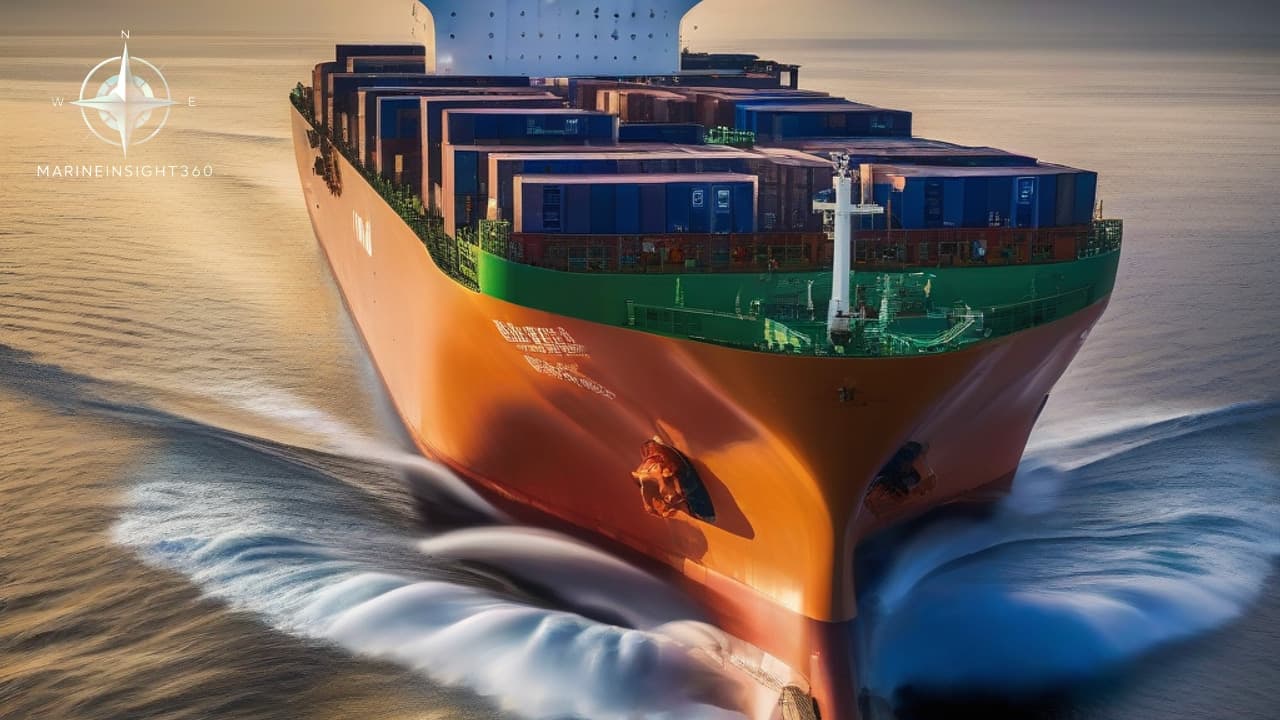
LNG Ship Safety Features for Seafarers
LNG-powered ships use advanced safety systems to manage cryogenic fuel risks. Key features include double-walled tanks, gas detection sensors, and automated emergency shutdowns to prevent leaks and fires.
What Most Seafarers Miss
While equipment is critical, LNG safety relies equally on crew training and strict compliance with the IGF Code. Automated systems can fail without trained personnel to monitor and respond.
Common Mistakes to Avoid
- Ignoring routine checks of gas detection sensors in engine rooms and fuel areas
- Overlooking pressure relief valve maintenance in cryogenic storage tanks
- Skipping emergency shutdown drills for gas leaks or fires
- Using non-certified electrical equipment in gas-dangerous zones
10 Core Safety Systems Explained
- Cryogenic Tanks : Double-walled with vacuum insulation and leak detection (stored at -162°C)
- Double-Wall Fuel Piping : Annular space monitors for LNG leaks between inner/outer pipes
- Gas Detection : Sensors in engine rooms, fuel areas, and ventilation ducts trigger alarms instantly
- Emergency Shutdown (ESD) : Cuts fuel supply and isolates sections during leaks, pressure spikes, or fires
- Fire Suppression : Combines water mist, dry chemical systems, and inert gas in high-risk areas
- Pressure Management : Relief valves and boil-off gas systems prevent tank over-pressurization
- Ventilation Systems : Explosion-proof fans circulate air in gas-dangerous compartments
- Zoning Compliance : Separates gas-safe and gas-dangerous spaces with certified equipment
- IGF Code Adherence : Mandatory design standards for LNG fuel systems and safety protocols
- Crew Certification : Required training for LNG handling, emergency response, and IGF Code compliance
Quick Safety Checklist
- Verify gas detection sensors are operational weekly
- Test ESD system functionality during monthly drills
- Inspect double-wall piping insulation and leak sensors daily
- Confirm all gas-dangerous zone equipment has explosion-proof certification
- Review IGF Code compliance during pre-voyage safety checks
When This Doesn't Apply
These safety systems are specific to LNG-powered vessels. Conventional fuel ships (e.g., HFO or diesel) do not require cryogenic storage systems or methane-specific gas detection.
More from the Blog
Important Points for Committing Cargo Quantities in Tanker Ships
Committing cargo quantities on tanker ships is a critical commercial and operational decision. Whether it is crude oil, refined petroleum products,…
What is Displacement of a Ship ?
Imagine a colossal container ship like the Ever Given, stuck in the Suez Canal back in 2021. That beast weighs over 200,000 tons when fully loaded,…

Understanding Cruise Ship Hull Design
Cruise ships rely on hull shapes that blend form with function. Designers pick shapes to cut through water with less effort. This boosts speed and cuts…