
Duties of a Marine Engineer in the Merchant Navy
A marine engineer is the backbone of any merchant ship. While deck officers handle navigation, marine engineers ensure that the vessel’s machinery,…
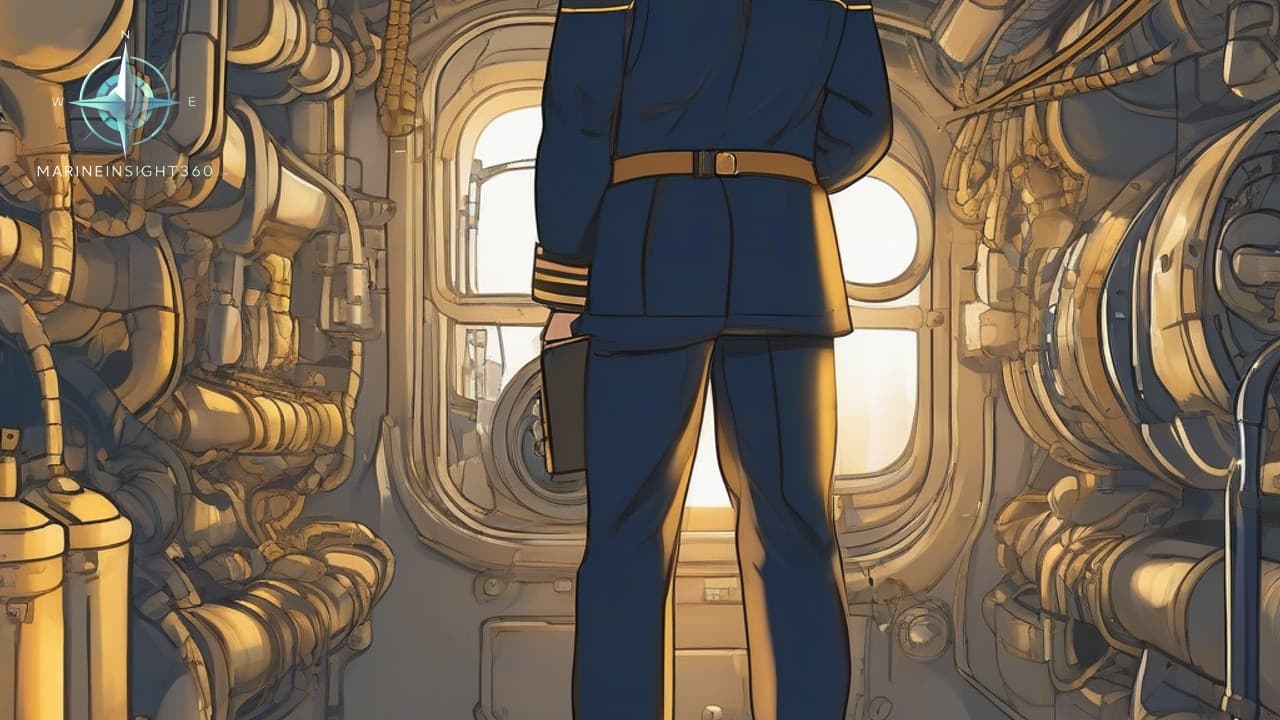
A marine engineer is the backbone of any merchant ship . While deck officers handle navigation, marine engineers ensure that the vessel’s machinery, propulsion systems, and technical operations run smoothly—24 hours a day, often far from land. Without them, a ship simply cannot sail.
Here’s a clear, real-world look at what a marine engineer actually does on board a merchant vessel.
Keeping the Ship Runnin
The primary duty of a marine engineer is to operate and maintain all mechanical and electrical systems on the ship. This includes the main engine, auxiliary engines, generators, pumps, compressors, boilers, and steering systems. Any failure at sea can be dangerous, so constant monitoring is critical.
Engineers work in shifts, ensuring the engine room is always supervised, especially during navigation in congested waters.
Maintenance and Repairs
Routine maintenance is a daily responsibility. Marine engineers:
- Inspect machinery for wear and tear
- Lubricate moving parts
- Replace filters, valves, and seals
- Carry out overhauls during port stays or dry dock
When breakdowns happen at sea, engineers must diagnose and fix problems immediately , often with limited tools and no external help.
Fuel and Power Management
Marine engineers manage fuel consumption , ensuring engines operate efficiently and within safety limits. They handle fuel transfer, purification, and testing, while also managing electrical power distribution across the ship to support navigation systems, accommodation, and cargo operations.
Efficient fuel management directly impacts operating costs and environmental compliance.
Safety and Emergency Preparednes
Safety is a major part of the job. Engineers maintain:
- Firefighting systems
- Emergency generators
- Bilge and ballast systems
- Alarm and monitoring systems
They also take part in emergency drills , including fire, blackout, flooding, and engine failure scenarios, ensuring the crew can respond quickly if something goes wrong.
Compliance and Documentation
Modern shipping is heavily regulated. Marine engineers ensure compliance with:
- International maritime safety standards
- Environmental regulations (oil pollution, emissions, waste handling)
- Classification society requirements
They maintain detailed engine room logbooks, maintenance records, and inspection reports , which are regularly checked by port authorities.
Supervising Engine Crew
Senior marine engineers supervise junior engineers and engine ratings. This includes:
- Assigning daily tasks
- Training junior staff
- Ensuring safe working practices
- Monitoring performance and discipline
Good teamwork in the engine room is essential for safe and efficient operations.
Working in Challenging Conditions
Marine engineering is physically demanding. Engineers often work in hot, noisy, and confined engine rooms , sometimes during rough weather or long voyages. Despite the challenges, the role offers strong career growth, technical mastery, and global travel opportunities.
Final Thoughts
A marine engineer in the merchant navy is far more than a mechanic. They are problem-solvers, safety officers , energy managers, and technical leaders at sea. Their expertise keeps ships moving, cargo safe, and crews protected—making them one of the most vital professionals in the maritime industry.
More from the Blog

Important Points for Committing Cargo Quantities in Tanker Ships
Committing cargo quantities on tanker ships is a critical commercial and operational decision. Whether it is crude oil, refined petroleum products,…
What is Displacement of a Ship ?
Imagine a colossal container ship like the Ever Given, stuck in the Suez Canal back in 2021. That beast weighs over 200,000 tons when fully loaded,…
Understanding Cruise Ship Hull Design
Cruise ships rely on hull shapes that blend form with function. Designers pick shapes to cut through water with less effort. This boosts speed and cuts…