
A Guide to Different Types of Alarms on Ships
Modern ships operate with complex machinery, electrical systems, and safety equipment. To protect life, the vessel, and the environment , ships rely on a…
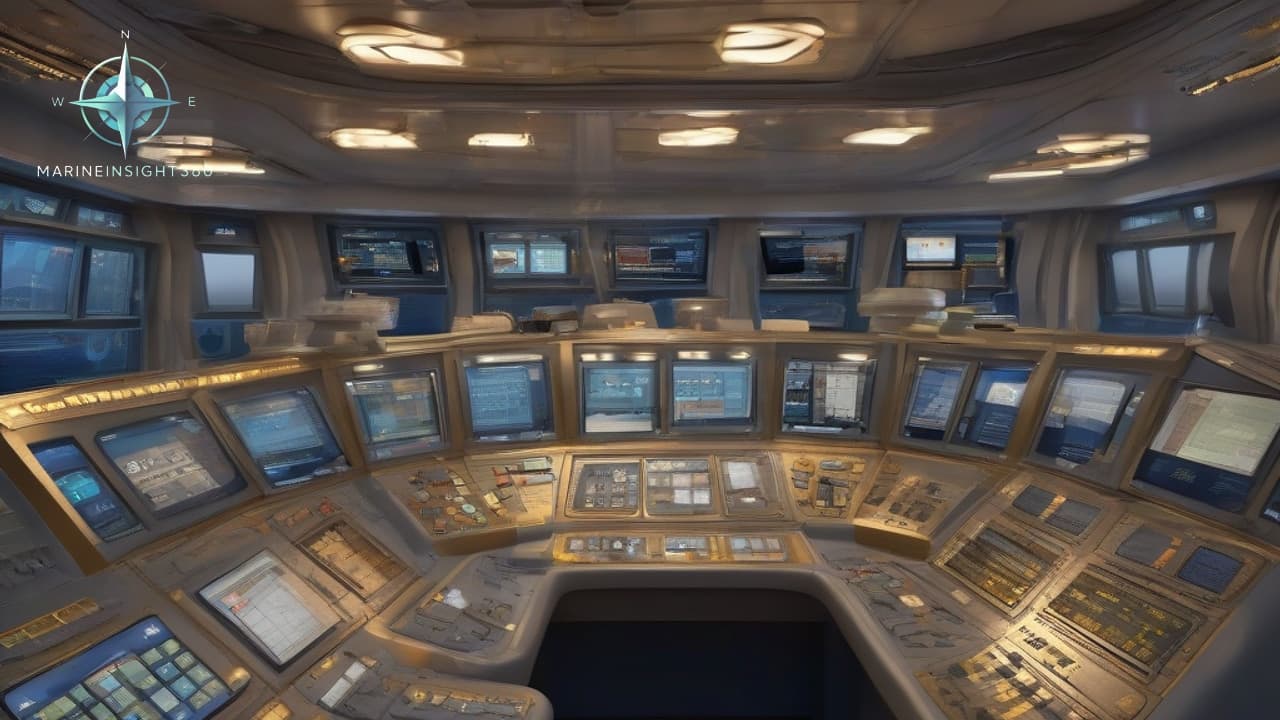
Modern ships operate with complex machinery, electrical systems, and safety equipment. To protect life, the vessel, and the environment , ships rely on a wide range of alarms that alert the crew to danger, system failures, or emergency situations. Understanding these alarms is critical for every seafarer.
Here’s a clear guide to the main types of alarms used on ships and what they mean.
1. General Alarm
The general alarm is the most important alarm on board. It is used to alert all crew members of an emergency that requires immediate action.
- Sound: Seven short blasts followed by one long blast
- Purpose: Fire, collision risk, flooding, or abandon ship situations
- Action: Crew must report to assigned muster stations and follow emergency procedures
This alarm is tested regularly during drills.
2. Fire Alarm
Fire alarms are installed throughout accommodation areas, engine rooms, and cargo spaces.
- Triggers: Smoke detectors, heat detectors, or manual call points
- Purpose: Early detection of fire
- Action: Fire party response, machinery shutdowns, ventilation isolation
Early warning is crucial to prevent fires from spreading at sea.
3. Engine Room Alarm
Engine room alarms warn engineers of machinery or system failures.
- Common triggers: High temperature
- Low oil pressure
- Cooling water failure
- Fuel system faults
Some alarms are audible on the bridge to alert deck officers as well.
4. Bridge Watch Alarm System (BWAS)
The Bridge Watch Alarm System ensures the officer of the watch is alert.
- Purpose: Prevents fatigue-related accidents
- Operation: Requires periodic acknowledgment by the watch officer
- Action: If ignored, alarms escalate to alert other crew members
BWAS is mandatory on most commercial vessels.
5. Steering Gear Alarm
This alarm indicates a malfunction in the steering system.
- Triggers: Hydraulic failure, power loss, control system error
- Importance: Steering failure can lead to collision or grounding
- Action: Immediate switch to emergency steering if required
6. Bilge Alarm
Bilge alarms detect excessive water accumulation in ship compartments.
- Purpose: Early warning of flooding or leaks
- Common locations: Engine room, pump rooms, cargo spaces
- Action: Identify source, start bilge pumps, isolate compartments
Unchecked flooding can compromise ship stability .
7. Gas Detection Alarm
Gas alarms are vital on tankers and certain cargo ships.
- Detects: Flammable gases
- Toxic gases
- Oxygen deficiency
These alarms protect crew from explosions and poisoning.
8. Emergency Power Alar
This alarm activates when main power fails.
- Purpose: Indicates switch to emergency generator
- Action: Engineers restore normal power and assess electrical systems
Emergency power ensures navigation, communication, and safety systems remain active.
More from the Blog
Important Points for Committing Cargo Quantities in Tanker Ships
Committing cargo quantities on tanker ships is a critical commercial and operational decision. Whether it is crude oil, refined petroleum products,…
What is Displacement of a Ship ?
Imagine a colossal container ship like the Ever Given, stuck in the Suez Canal back in 2021. That beast weighs over 200,000 tons when fully loaded,…

Understanding Cruise Ship Hull Design
Cruise ships rely on hull shapes that blend form with function. Designers pick shapes to cut through water with less effort. This boosts speed and cuts…