
8 Common Problems of Ship’s Incinerator Mariners Should Know
Shipboard incinerators are essential for managing waste at sea. They are used to burn sludge oil, oily rags, food waste (where permitted), and other…
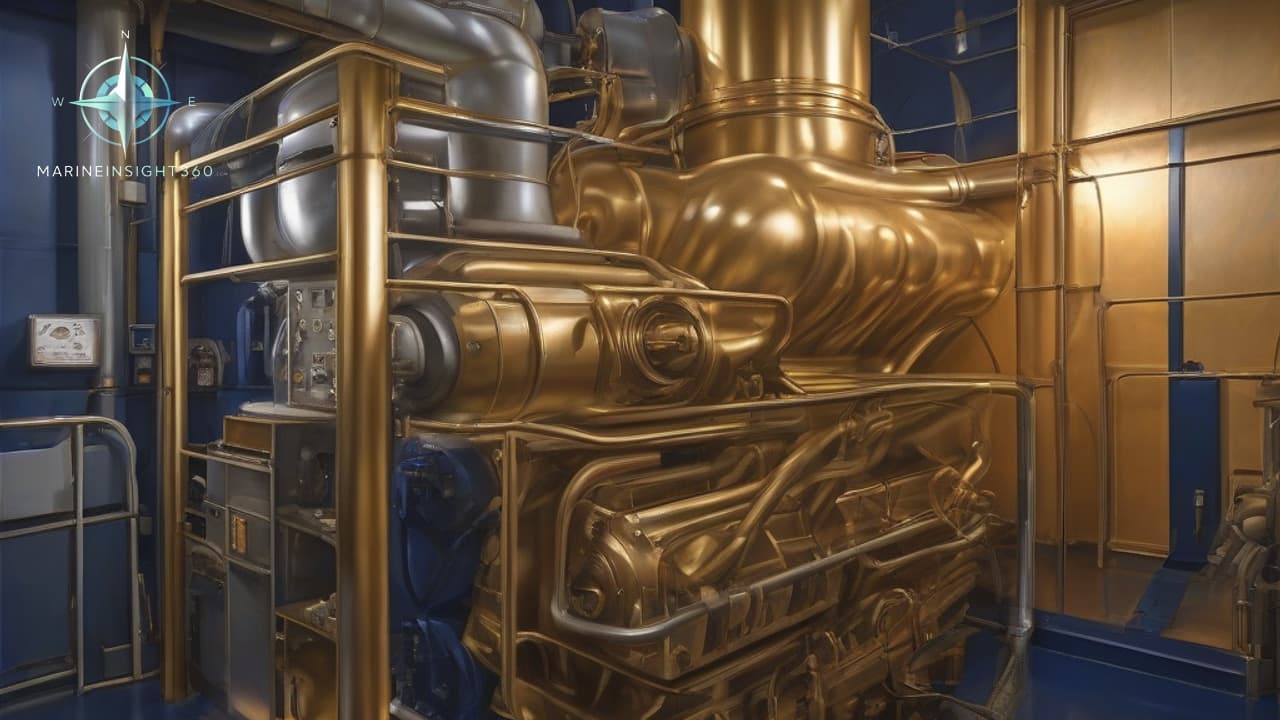
Shipboard incinerators are essential for managing waste at sea. They are used to burn sludge oil, oily rags, food waste (where permitted), and other combustible materials in compliance with environmental regulations. However, like any auxiliary machinery, incinerators can develop operational issues.
Here are 8 common problems of ship’s incinerators that mariners should be aware of.
1. Burner Failure
One of the most frequent issues is burner malfunction.
Common causes:
- Clogged fuel nozzles
- Poor fuel atomization
- Faulty ignition electrodes
- Low fuel pressure
If the burner fails, the incinerator cannot maintain proper combustion temperature.
2. Low Combustion Temperature
If the chamber temperature does not reach the required level:
- Waste may not burn completely
- Black smoke may form
- Emission standards may be violated
This is often caused by poor fuel supply or improper air-fuel ratio.
3. Excessive Smoke Emission
Thick black smoke indicates incomplete combustion.
Possible reasons:
- Overloading the chamber
- Wet sludge
- Insufficient combustion air
Improper operation can lead to environmental non-compliance.
4. Sludge Pump Malfunction
The sludge oil pump may fail due to:
- Blocked suction line
- Air lock
- Worn pump components
Without proper sludge supply, incineration efficiency drops.
5. Control Panel Faults
Electrical problems in the control panel may cause:
- Automatic shutdowns
- Alarm malfunctions
- Inaccurate temperature readings
Faulty sensors can disrupt safe operation.
6. Refractory Lining Damage
The refractory lining inside the combustion chamber protects against high temperatures.
Common issues:
- Cracks
- Erosion
- Thermal damage
Damaged refractory reduces insulation and may cause overheating of external casing.
7. Exhaust Gas Blockage
Soot buildup or obstructions in the exhaust line can:
- Increase back pressure
- Reduce combustion efficiency
- Cause smoke issues
Regular cleaning is necessary to maintain proper airflow.
8. Safety Interlock Failures
Incinerators are equipped with safety interlocks to prevent unsafe operation.
Problems may include:
- Door interlock malfunction
- High-temperature trip failure
- Flame failure detector issues
Safety system failures must be addressed immediately to prevent accidents.
Why Proper Incinerator Maintenance Matters
Ship incinerators must operate within strict environmental guidelines. Poor performance can result in:
- MARPOL violations
- Port State Control deficiencies
- Fines or detentions
Routine inspection, correct waste loading, and preventive maintenance are essential for safe operation.
Final Thoughts
Understanding common incinerator problems helps mariners detect issues early and prevent major breakdowns. Proper training, monitoring, and maintenance ensure compliance and efficient waste management onboard.
More from the Blog
Important Points for Committing Cargo Quantities in Tanker Ships
Committing cargo quantities on tanker ships is a critical commercial and operational decision. Whether it is crude oil, refined petroleum products,…
What is Displacement of a Ship ?
Imagine a colossal container ship like the Ever Given, stuck in the Suez Canal back in 2021. That beast weighs over 200,000 tons when fully loaded,…

Understanding Cruise Ship Hull Design
Cruise ships rely on hull shapes that blend form with function. Designers pick shapes to cut through water with less effort. This boosts speed and cuts…