
5 Important Responsibilities of a Shipowner in Maritime Trade
In global maritime trade, the shipowner plays one of the most critical roles. While captains manage vessels at sea and charterers arrange cargo, the…
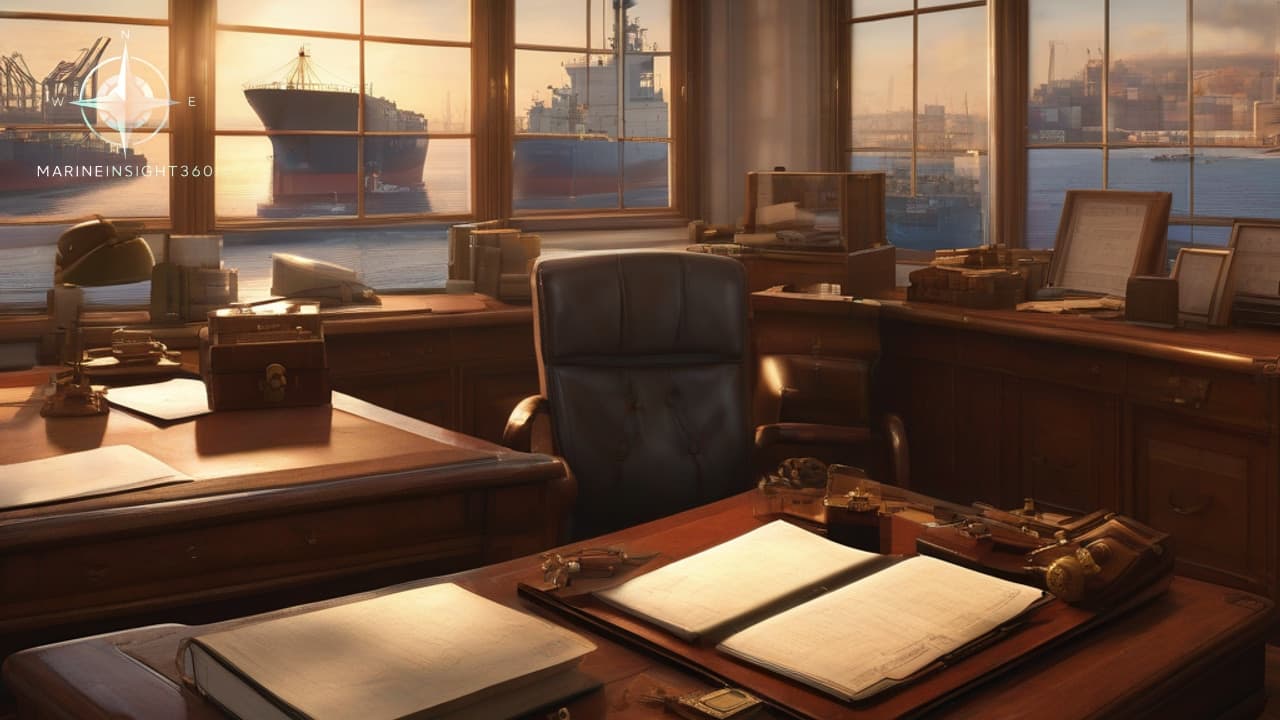
In global maritime trade, the shipowner plays one of the most critical roles. While captains manage vessels at sea and charterers arrange cargo, the shipowner carries the ultimate responsibility for the ship’s safety, compliance, and commercial performance.
Owning a vessel is not just about investment—it involves legal, operational, financial, and ethical obligations. Below are five key responsibilities of a shipowner in maritime trade.
1. Ensuring Vessel Seaworthiness
A shipowner must ensure that the vessel is seaworthy before and during every voyage. This means the ship must be:
- Structurally sound
- Properly maintained
- Adequately equipped
- Fully certified
Seaworthiness also includes having competent crew onboard and ensuring that machinery, navigation systems, and safety equipment are fully operational.
Failure to provide a seaworthy vessel can result in cargo claims, legal disputes, and financial penalties.
2. Compliance with Maritime Regulations
Maritime trade is heavily regulated under international conventions and national laws. Shipowners are responsible for compliance with:
- Safety regulations
- Environmental standards
- Flag state requirements
- Port state control inspections
Non-compliance can lead to vessel detention, fines, or reputational damage. Therefore, maintaining proper documentation and certifications is essential.
3. Crew Employment and Welfare
Shipowners are responsible for hiring qualified crew and ensuring their welfare onboard. This includes:
- Fair wages and contracts
- Safe working conditions
- Proper accommodation
- Medical care and repatriation
Crew welfare directly impacts vessel performance and safety. Ethical shipowners prioritize training, morale, and well-being.
4. Financial and Commercial Management
Operating a vessel involves significant financial responsibility. Shipowners must manage:
- Operating expenses (crew wages, fuel, maintenance)
- Insurance coverage
- Charterparty agreements
- Loan and financing obligations
Sound financial management ensures profitability while maintaining operational standards.
5. Insurance and Risk Management
Maritime operations involve various risks, including collisions, cargo damage, pollution, and accidents. Shipowners must secure appropriate insurance coverage such as:
- Hull and Machinery insurance
- Protection and Indemnity (P&I) coverage
- War risk insurance
Effective risk management protects both the vessel and the business from major financial losses.
Why Shipowner Responsibility Matters
Shipowners are legally accountable for their vessels’ actions. Their decisions influence:
- Safety at sea
- Environmental protection
- Crew welfare
- Trade efficiency
A responsible shipowner contributes to a safer and more sustainable maritime industry.
Final Thoughts
Being a shipowner in maritime trade is a role that goes far beyond ownership. It demands leadership, compliance awareness, financial discipline, and a commitment to safety.
Strong shipowners not only protect their investments but also uphold the integrity of global shipping operations.
More from the Blog
Important Points for Committing Cargo Quantities in Tanker Ships
Committing cargo quantities on tanker ships is a critical commercial and operational decision. Whether it is crude oil, refined petroleum products,…
What is Displacement of a Ship ?
Imagine a colossal container ship like the Ever Given, stuck in the Suez Canal back in 2021. That beast weighs over 200,000 tons when fully loaded,…
Understanding Cruise Ship Hull Design
Cruise ships rely on hull shapes that blend form with function. Designers pick shapes to cut through water with less effort. This boosts speed and cuts…