Why Hawaiʻi Should Take Advantage Of This Maritime Moment
Explore how Hawaii can leverage shipbuilding, logistics, and maritime tech to boost its economy, safety, and tourism under current federal policies.
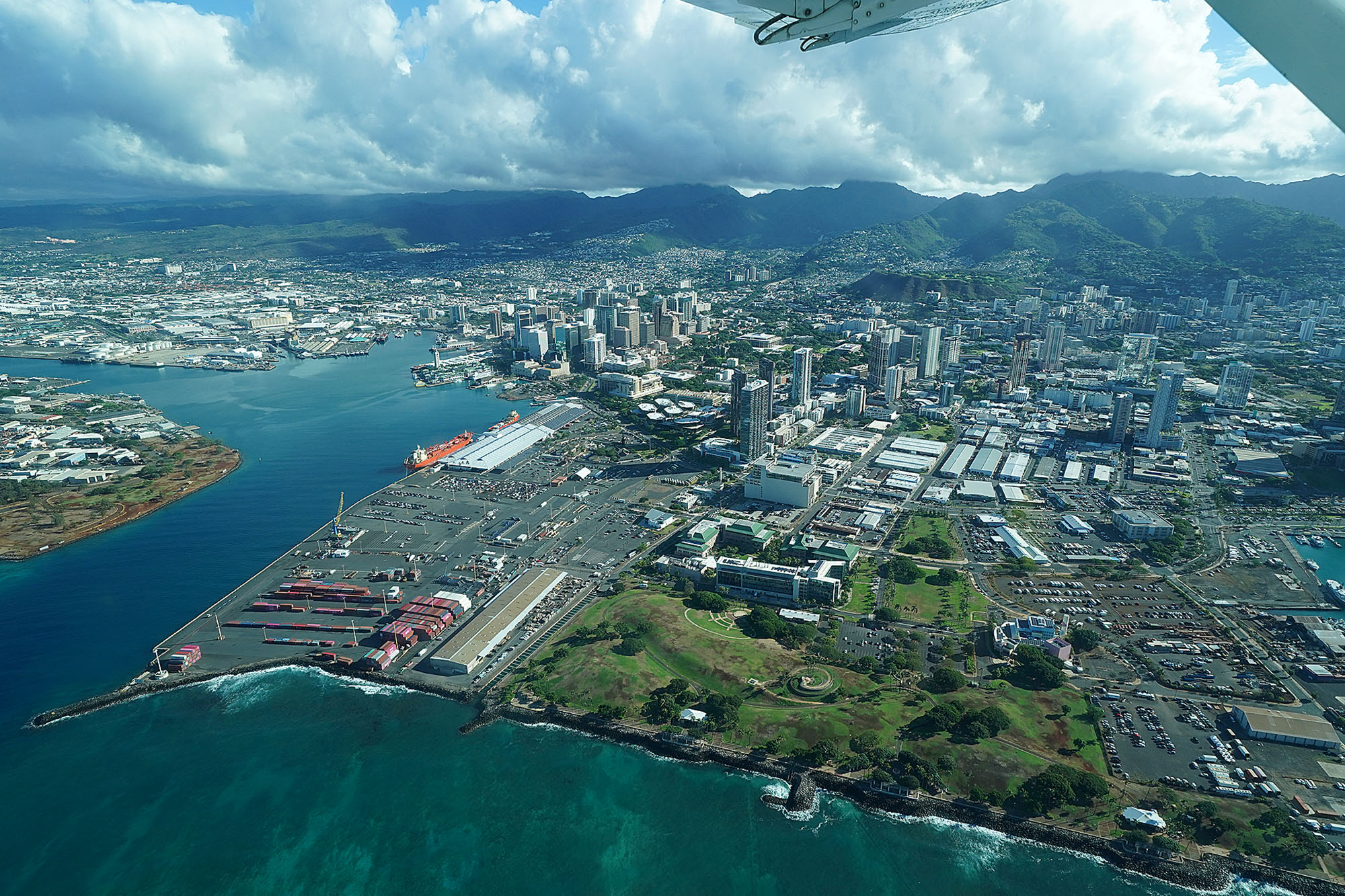
Hawaii’s Maritime Moment: What It Means for You
Hawaii is at a crossroads where federal policy, advanced technology, and the islands’ natural advantages align to create a maritime boom. Seafarers, cadets, and shipping professionals can help shape this future by understanding the opportunities and challenges that lie ahead.
Potential Growth Sectors
Shipbuilding and Logistics
Under the Trump administration’s plans, Hawaii could become a hub for shipbuilding and logistics. The state’s location between the Pacific and Atlantic, combined with its deep-water ports, positions it to serve transpacific trade routes efficiently.
Ocean Energy and Marine Research
Hawaii’s unique marine environment offers a platform for ocean energy projects and marine research. These initiatives can attract investment in renewable energy technologies and scientific collaboration.
Artificial Intelligence and Advanced Manufacturing
Integrating AI into maritime operations can streamline logistics, improve safety, and reduce costs. Advanced manufacturing, supported by local supply chains, can create high‑skill jobs for residents and students.
The Jones Act: A Double‑Edged Sword
The Jones Act requires that all vessels transporting goods between U.S. ports be U.S.-built, U.S.-owned, and crewed by U.S. citizens. For Hawaii, this law guarantees a stable, reliable shipping supply chain, which has led American shipping companies to invest over $2 billion in transportation technology tailored to the islands.
However, the same requirement can raise freight costs and limit competition. Shipping professionals must weigh the benefits of a protected domestic market against the potential for higher operating expenses.
Safety Gains with NOAA’s PORTS System
NOAA’s PORTS® system provides real‑time data to improve maritime safety. In seaports that adopted the system, a 50 % reduction in maritime accidents was documented. Implementing PORTS requires investment in sensors, data infrastructure, and crew training, but the payoff is a safer harbor environment for all vessels.
Tourism and Cruise Potential
Hawaii’s tourism industry is rebounding after new testing and quarantine measures were introduced. Yet, federal law has historically limited ocean cruising for more than a century. Overcoming these regulatory barriers could unlock significant revenue for the islands’ hospitality sector.
Community Impact Beyond the Waterfront
A stronger maritime sector would ripple outward. Local schools could partner with shipyards for STEM programs; hospitals could benefit from improved supply chains; small businesses could supply goods and services to the growing maritime industry. These benefits underscore why seafarers and shipping professionals should advocate for supportive policies.
Common Mistakes to Avoid
- Underestimating regulatory compliance. The Jones Act and federal safety standards require rigorous documentation and crew certification.
- Ignoring data infrastructure. Without real‑time monitoring, safety gains from PORTS cannot be realized.
- Overlooking workforce development. Advanced manufacturing and AI demand a skilled labor pool; investing in training early can reduce hiring gaps.
Decision Criteria for Shipping Professionals
- Cost vs. Benefit. Evaluate whether the higher freight rates under the Jones Act are offset by reduced insurance and logistical complexity.
- Port Capability. Assess whether local ports can support larger vessels or new technologies without extensive upgrades.
- Regulatory Landscape. Stay informed on changes to federal maritime law that could affect operations.
What It Means for the Crew
Crew members will face new training requirements, especially if they operate under the Jones Act or use PORTS technology. However, these standards also ensure a safer working environment and more reliable employment opportunities within the islands.
Next Steps for Seafarers, Cadets, and Shipping Professionals
Engage with local maritime authorities to learn about upcoming infrastructure projects. Join industry groups focused on the Jones Act and PORTS implementation. Consider pursuing certifications that align with Hawaii’s emerging maritime priorities.
For deeper insights, explore Marine Insight 360’s Knowledge Base on maritime regulations and Shipboard Operations for best practices.