IMO’s MASS Code: Governing the Future of Shipping
Explore the IMO’s MASS Code, its goal‑based framework for autonomous vessels, and what it means for seafarers, cadets and shipping professionals.
What Is the MASS Code?
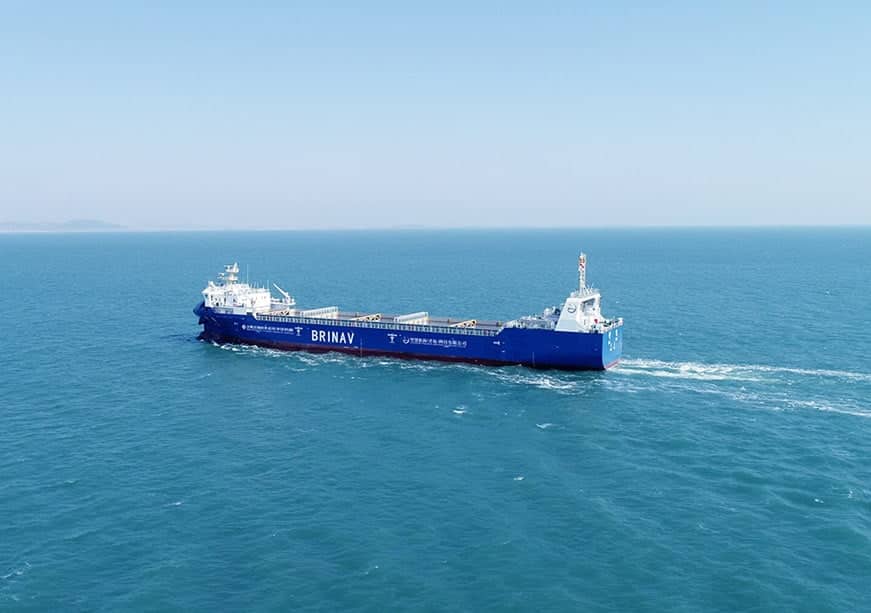
The International Maritime Organization adopted the International Code of Safety for Maritime Autonomous Surface Ships (MASS Code) in May 2026. It is the first global framework that sets safety, cybersecurity, and governance standards for vessels that can operate with reduced or no onboard crew. The code is designed for cargo ships and is currently non‑mandatory, but it is expected to become mandatory in the near future.
Core Elements of the Code
Safety Standards
The MASS Code requires that autonomous ships meet objective safety criteria. These include reliable navigation systems, collision avoidance capabilities, and robust emergency response protocols. Ship designers must demonstrate that the vessel can maintain safe operation under a range of sea states and traffic conditions.
Cybersecurity Measures
Cybersecurity is a central pillar of the code. Operators must implement secure communication links, authentication procedures, and intrusion‑detection systems. The code mandates regular vulnerability assessments and incident‑response plans to protect critical ship functions.
Governance Requirements
Governance provisions cover operational oversight, risk management, and accountability. The code specifies that a qualified remote operator must supervise the vessel’s activities, and that clear lines of responsibility are established for decision‑making and emergency handling.
Implications for Seafarers and Cadets
Seafarers will see a shift in job roles. Traditional deck and engineering duties may be supplemented or replaced by remote monitoring and data analysis. Cadets should study the MASS Code early in their training to understand emerging operational standards and to prepare for careers that blend seamanship with digital expertise.
Training programs must evolve to cover autonomous navigation, cybersecurity fundamentals, and remote‑control protocols. Certification bodies will likely introduce new credentials that reflect proficiency in these areas. Those who adapt early will position themselves advantageously in a market that increasingly values hybrid skill sets.
Transition Path: From Non‑Mandatory to Mandatory
Initially, the code is voluntary. Shipping companies can adopt its guidelines to gain a competitive edge, demonstrate safety leadership, and prepare for future regulation. However, the International Maritime Organization plans to convert the framework into a mandatory standard. This transition will require fleet owners to conduct compliance audits, retrofit existing vessels, and update operational procedures.
Companies that delay adoption risk falling behind. Early adopters can influence the final mandatory requirements and shape the industry’s direction. They also benefit from smoother integration of autonomous technologies and reduced regulatory uncertainty.
Practical Steps for Shipping Companies
- Assess Current Compliance: Compare your vessel’s systems against the MASS Code’s safety, cybersecurity, and governance objectives.
- Identify Gaps: Pinpoint areas where your ship falls short—whether in navigation software, data encryption, or remote‑operator training.
- Plan Retrofitting: Develop a schedule for installing required hardware and software upgrades. Coordinate with shipyards and technology partners.
- Train Personnel: Provide targeted education for crew and remote operators. Emphasize cybersecurity awareness and emergency response.
- Document Processes: Keep detailed records of risk assessments, incident‑response plans, and operator qualifications to satisfy future audits.
- Engage with Regulators: Participate in industry forums and provide feedback to the International Maritime Organization as the code evolves toward mandatory status.
Looking Ahead
The MASS Code marks a pivotal moment in maritime governance. It signals that autonomous vessels will soon operate under a unified, goal‑based framework worldwide. Shipping professionals who understand the code’s requirements and proactively align their fleets will be better positioned to navigate the coming regulatory landscape.
For seafarers and cadets, mastering the concepts behind safety, cybersecurity, and governance will become essential. Those who invest in this knowledge now will find themselves at the forefront of a new era in shipping.
Next step: review your vessel’s compliance status against the MASS Code and consult the Marine Insight 360 Knowledge Base for detailed guidance on implementation and best practices.